On this page
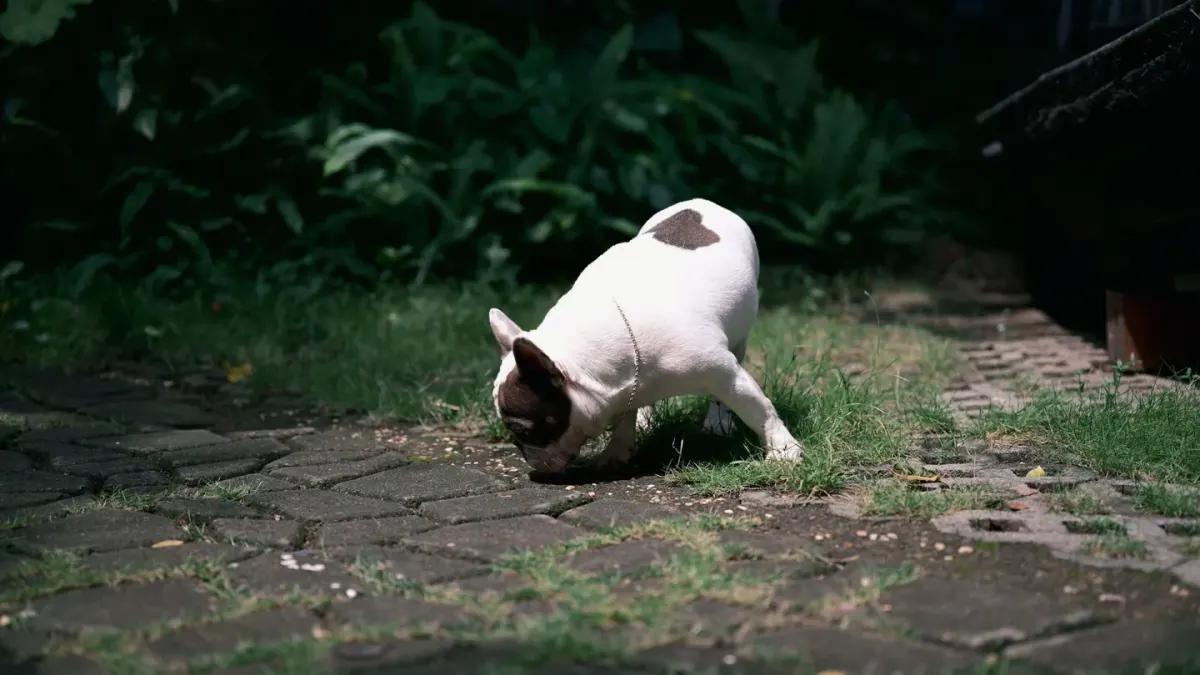
Watch an older Boston Terrier finish dinner and you hear the whole problem. Snort, gulp, cough, then beg for more.
That fast eating plus extra weight is hard on a short nose. My recommendation is narrow: feed a complete adult-senior diet in small, slow, weighed meals, and judge supplements by what they can realistically add to diet, mobility, and recovery. Food structure does more than powders here.
Measure first. Use a kitchen scale for one week. Follow what Cornell University College of Veterinary Medicine teaches about canine obesity: extra fat reduces exercise tolerance and worsens breathing effort, which matters twice as much in a brachycephalic breed. If ribs are hard to feel, cut 10% and reweigh in two weeks. For help reading the bag, see Reading a Dog Feeding Chart by Weight: What the Numbers Actually Mean.
Why do older Bostons struggle at the bowl?
Short airways, crowded teeth, and eagerness. They swallow air, then gas, burp, or vomit foam.
VCA Hospitals describes how brachycephalic airway syndrome raises respiratory effort, heat sensitivity, and noise during eating and excitement. Weight gain tightens that loop.
Slow the intake before you change the recipe.
Feed small and slow to protect the airway
Do this order.
Pick a small kibble or softened kibble. Add warm water for 5 minutes. Serve in a wide, shallow dish or slow feeder. Split the day into three meals. Lift the bowl between gulps for 10 seconds. Walk gently for 5 minutes after, then rest.
Keep protein adequate, fat moderate, and fiber steady. Pumpkin fiber is a gentle, natural source of both soluble and insoluble fiber. A balanced gut microbiome supports overall immune function.

Small dogs dehydrate and constipate fast when they eat too quickly and drink too little.
What should you actually buy?
Choose a complete diet that meets adult or senior maintenance, with feeding trials or formulation for small breeds when possible. Look for a named animal protein first, 20-30% protein on a dry-matter basis for most healthy seniors, moderate fat, and a fiber blend.
Skip grain-free, high-fat performance foods, and soft-only diets unless your vet advises them. Big kibble encourages gulping and chewing pain in older mouths.
When you switch, change food for a senior dog gradually over 7 to 10 days watching stool appetite, as outlined in How to Change Food for a Senior Dog: A Vet’s Step-by-Step Transition Guide.
Where supplements fit, and where they do not
Weigh what a supplement can realistically do for diet, mobility, and recovery.
Fish oil may help support skin and joint comfort as part of a balanced diet, but it adds calories. Glucosamine and chondroitin may help support mobility in some dogs, but they do not replace weight control or exercise. Probiotics with prebiotic fiber may help support normal stool quality during a diet change, but they do not fix gulping or airway obstruction.
If your Boston coughs, faints, snores loudly awake, vomits often, or tires in heat, food is not the fix. Get an airway, heart, dental, and weight exam first.
That is the exception to my slow-and-small rule. An 11-year-old Boston who loses weight, refuses kibble, or regurgitates needs diagnosis, not a new feeder.
Keep meals boring, slow, and measured. That protects breathing best.
Frequently asked questions
How much should a senior Boston Terrier eat per day?
Start with the bag amount for ideal weight, not current weight, weigh meals for a week, then adjust by 10% based on body condition and reweigh in 14 days.
Is wet or dry food better for older Boston Terriers?
Either can work if complete and balanced; many seniors do best with small kibble softened with warm water or mixed wet-plus-kibble fed slowly.
Sources
- Brachycephalic Airway Syndrome in Dogs — VCA Hospitals