
On this page
A single avocado pit measures roughly two inches across — about the size of a golf ball — and that’s almost exactly the width that lodges in a mid-size dog’s small intestine. That number tells you more about avocado risk than any ingredient list does.
I got a call a few years back from a client whose retriever mix, a food-motivated dog named for his habit of counter-surfing, had cleaned an entire avocado off a cutting board — flesh, skin, and pit — while she answered the door. She’d read online that avocado was “toxic” to dogs and was ready to induce vomiting on her own with hydrogen peroxide. We talked through it instead: the flesh he’d swallowed wasn’t the threat. The pit was. She watched him for the rest of the day, he passed the pit intact about eighteen hours later, and nothing else happened. Not every case ends that cleanly, which is exactly why the pit gets treated as an emergency question and the flesh gets treated as a moderation question — they are not the same risk, and lumping them together is where a lot of kitchen-table advice goes wrong.
What Persin Actually Does, and Doesn’t Do, in a Dog
Avocado leaves, bark, skin, and pit all contain a fungicidal toxin called persin. In birds, horses, and lactating livestock, persin causes real damage — respiratory distress, mastitis, and in severe cases death. Dogs are the outlier. The Merck Veterinary Manual notes that “dogs seem relatively resistant compared with other species,” though it also documents “a single case report of 2 dogs developing myocardial damage after avocado ingestion.” That’s not nothing, but it’s also not the same magnitude of concern that drives avocado off the menu for a caged bird or a horse pasture.
What persin does mean for dogs, per ASPCA guidance, is vomiting and diarrhea from ingesting the leaves, bark, or skin — closer to a stomach-upset ingredient than a poison in the classic sense, at the doses a dog typically encounters raiding a kitchen counter.
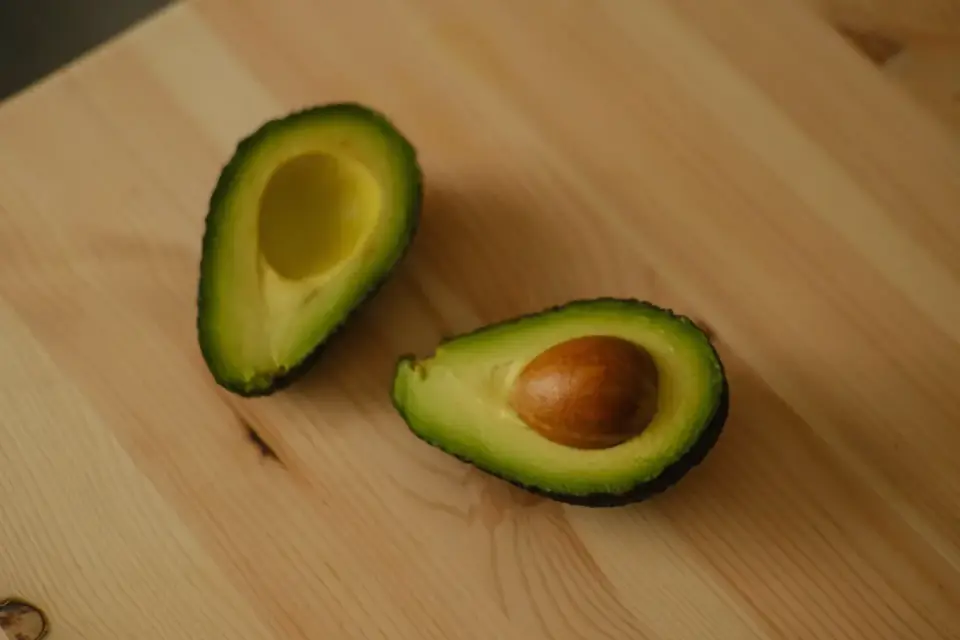
The Pit Is the Emergency the Flesh Isn’t
Here’s where I’d push back on treating avocado as one uniform risk. A pit is smooth, dense, and roughly ball-shaped — a poor combination for anything that has to pass through a dog’s GI tract. If it lodges, the AKC notes surgery is often the only way to remove it, the same as any other foreign body. Signs of obstruction — persistent vomiting, lethargy, straining, loss of appetite — can lag hours to days behind ingestion, so “he seems fine right now” isn’t a reliable all-clear. If you know or suspect a dog swallowed a pit, that’s a same-day call to your vet, not a wait-and-watch situation.
Small dogs and dogs that gulp food without chewing are at higher obstruction risk than large, methodical eaters, for the same reason a golf ball is more dangerous to a Chihuahua than a mastiff.
How Much Flesh Is Actually Reasonable
If a dog is healthy, isn’t prone to pancreatitis, and swallows a small taste of plain avocado flesh with no pit or skin attached, that’s a low-stakes event for most dogs. The bigger practical concern is fat, not persin: avocado flesh runs close to 15% fat by weight, which is high for a food most owners hand over freely because it “seems healthy.” That fat load is what raises pancreatitis risk in dogs that eat more than a taste, and it’s a real risk — pancreatitis is painful and often means a hospital stay on IV fluids.
A few concrete rules I give clients: keep any serving to a spoonful at most for a mid-size dog, skip it entirely for dogs with a pancreatitis history or existing weight problem, and never serve guacamole, which typically layers onion, garlic, and salt on top of the fat. None of that makes avocado a health food for dogs — it just means an occasional small bite of plain flesh isn’t the crisis a lot of pet-safety lists imply.
If you’re looking for a lower-fat, gut-friendlier way to vary a dog’s diet, cooked sweet potato in modest portions is a steadier choice — see our guide to feeding sweet potato safely for amounts and prep. And if a dog’s stool has been loose after any new food, including avocado, it’s worth reading about how much fiber is too much before adding anything else new.
Weighing Avocado the Way I’d Weigh a Supplement
I evaluate a lot of ingredients the same way I evaluate a joint or longevity supplement: what can this realistically do for the dog’s diet, mobility, or recovery, versus what it costs in risk or dollars to include. Avocado flesh brings some monounsaturated fat and modest micronutrients, but nothing a complete commercial diet isn’t already supplying in a controlled, tested form. It’s not delivering a functional benefit that offsets its fat load or its pit hazard. Compare that to a well-formulated joint supplement, where the active ingredients are dosed and verified — our breakdown of joint supplement options for senior dogs covers what that verification should look like. Avocado, by contrast, is a treat with a downside, not an ingredient worth building a feeding strategy around.
The Bottom Line
Plain avocado flesh, in a small amount, is a manageable treat for most healthy dogs — not the outright poison some pet-safety lists suggest, and not a food worth actively seeking out either. The pit is the genuine emergency: keep it away from your dog entirely, and treat any accidental ingestion as a same-day vet call rather than a watch-and-wait. Skip avocado altogether for dogs with pancreatitis history, obesity, or a touchy stomach, and never serve guacamole. So the next time a slice rolls off the cutting board, the real question isn’t whether avocado is “toxic” — it’s whether your dog is the type who’d go after the pit too.
Frequently asked questions
Is guacamole worse than plain avocado for dogs?
Usually, yes. Guacamole typically adds onion or garlic, salt, and lime, all of which carry their own risks, on top of the fat load from the avocado itself. Plain, unseasoned flesh is the safer comparison point.
My dog swallowed a whole avocado pit. Do I need to call the vet even without symptoms?
Yes. Obstruction symptoms can lag behind ingestion by hours or days, and by the time vomiting or lethargy shows up, the pit may already be lodged. Call your vet or an emergency clinic and describe what happened rather than waiting to see if signs develop.
Can dogs eat avocado oil in dog food or treats?
Small amounts of processed avocado oil in a commercial diet are a different exposure than raw flesh or plant matter — the fat load is portioned and there's no pit or skin involved. It's still fat, so a dog with pancreatitis risk should have that discussed with their vet regardless of the source.
Sources
- The Scoop on Avocado and Your Pets — ASPCA
- Avocado (Persea spp) Toxicosis in Animals — Merck Veterinary Manual
- Avocado Toxicity in Dogs — What to Do if Your Dog Eats an Avocado — AKC