
On this page
Patrick let Zaza out before breakfast and watched an 11-year-old intact male English Bulldog mix nose past his bowl, then graze a long strip of lawn for almost ten minutes. The food sat untouched. The grazing was new, and the skipped meal was the second in two days.
That combination matters more than either sign alone. Many dogs nibble grass and eat normally. A dog that turns to grass and refuses meals is signaling a digestive or appetite problem, and in older dogs that pattern deserves a vet visit sooner than most owners assume.
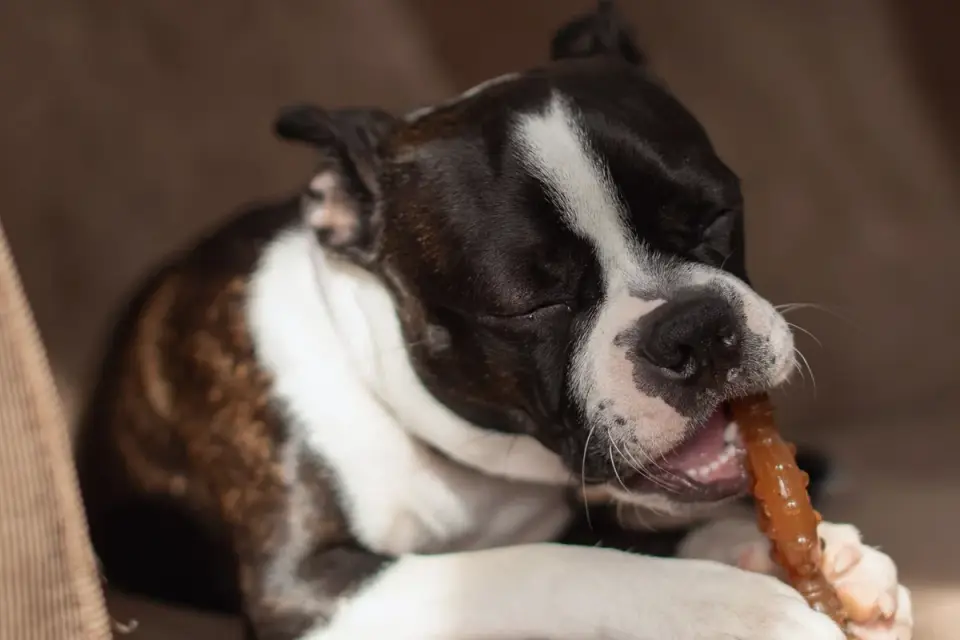
What grass does and does not tell you
Grass is roughage, not medicine. Dogs may chew it out of boredom, taste, mild nausea, or a need for fiber, and vomiting does not always follow. VCA Hospitals notes that plant eating is common in otherwise normal dogs, which is why one grass snack with a normal appetite is rarely urgent.
The question changes when food refusal joins in. Skipped meals point toward nausea, mouth pain, reflux, constipation, intestinal upset, pancreatitis, kidney disease, or simply a diet the dog no longer tolerates. Grass then looks less like a quirk and more like self-soothing.
Stay anchored to how fiber is thought to work here. Soluble and insoluble fibers may help support normal stool form and gut transit by adding bulk and holding water, not by curing disease. Pumpkin fiber is a gentle, natural source of both soluble and insoluble fiber, which is why vets often mention it for mild irregularity while the underlying cause is sorted out.
Why skipping food resets the clock
A single missed meal in a bright adult dog can wait for observation. Repeated refusal cannot.
Vets often see the same fork in the road. Cindy, in Cedar Rapids, Iowa, watched Satchel, a 5-year-old neutered male Toy Poodle, skip breakfast once after a late-night chew, then eat dinner normally. That is watchful waiting. Zaza’s pattern — grass plus two missed meals plus age — is a call.
Use this simple count. If your adult dog skips more than one consecutive meal, vomits more than once in 24 hours, strains to poop, cries at the belly, drools, eats grass frantically, or seems tired and withdrawn, call that day. Puppies, tiny breeds, seniors, and dogs on daily medication get a shorter leash: call after one missed meal with grass eating.
It helps to track what When Appetite Loss Means It’s Time to Call the Vet describes as red flags, especially lethargy, repeated vomiting, diarrhea, belly pain, and weight loss.
Why older dogs get a faster vet visit
Age narrows the margin. An older dog can dehydrate faster, lose muscle faster, and hide kidney disease, liver disease, dental pain, or a slow intestinal tumor behind a vague sign like grass eating.
I reach for both the workup and the gentler supports. Imaging, bloodwork, and a careful mouth exam answer whether nausea or pain is driving refusal. Food therapy, hydration, small frequent meals, and gut support may help support comfort while you wait for answers. Neither replaces the other.
Fiber research shows why small differences matter. In laboratory fermentation work, “Bacterial alpha diversity metrics increased (P < 0.01) during acacia fiber fermentation and decreased (P < 0.01) during inulin and pectin fermentation,” reported in the Journal of Animal Science. That is an in vitro finding, not proof that one fiber fixes appetite loss. It is a reminder to change fiber slowly and with guidance.
If your senior has started refusing food, review the recent diet history before you blame willpower. Have you changed recipes, treats, or feeding times? That is where How to Change Food for a Senior Dog: A Vet’s Step-by-Step Transition Guide helps prevent a transition problem from looking like a disease.
What to do today, in order
Keep it plain and short.
Withhold nothing for long. Offer fresh water, a quiet feeding spot, and the usual food for 15 minutes, then pick it up. Note grass time, vomit, stool, drool, lip-licking, belly tightness, and energy. Check the yard for treated grass, mushrooms, compost, and chew toys that shed pieces.
Do not chase appetite with rich add-ons. A spoon of low-sodium broth or a small bland meal is enough for one test, unless your vet has told you to restrict something. Repeated toppers can hide the trend you need to see.
Then decide.
Call now if there is bloat, unproductive retching, severe lethargy, bloody vomit or stool, collapse, pale gums, fast breathing, suspected toxin, or belly pain. Call today if grass eating plus food refusal lasts past 24 hours, recurs across two days, or comes with any vomiting, diarrhea, weight loss, extra thirst, bad breath, drooling, or dental pain. Seniors fall in the today group sooner.
Bring numbers: age, weight, last normal meal, number of skipped meals, grass sessions per day, vomit count, last stool, medications, and the exact food and treats. That list shortens the visit more than any story can.
For the transition question that follows many recoveries, Reading a Dog Feeding Chart by Weight: What the Numbers Actually Mean can help you reset portions after an appetite dip without overfeeding a sensitive gut.
What if the bowl stays full tomorrow despite a calm belly and normal water intake? Call anyway if your dog is older, because appetite is the signal you should trust first.
Frequently asked questions
Is it normal for a dog to eat grass and skip a meal?
An occasional grass nibble with a normal appetite is common. Grass eating plus a skipped meal, repeated vomiting, diarrhea, lethargy, or belly pain is not watch-and-wait — call your vet that day, sooner for seniors and puppies.
Should I let my older dog eat grass when he will not eat food?
Redirect him away from long grazing sessions and track the pattern instead. Note skipped meals, vomit count, stool changes, thirst, and energy, then call your vet if refusal lasts past 24 hours or recurs across two days.
Sources
- Fiber fermentation and bacterial diversity findings — Journal of Animal Science
- Why Do Dogs Eat Grass? — VCA Hospitals