On this page
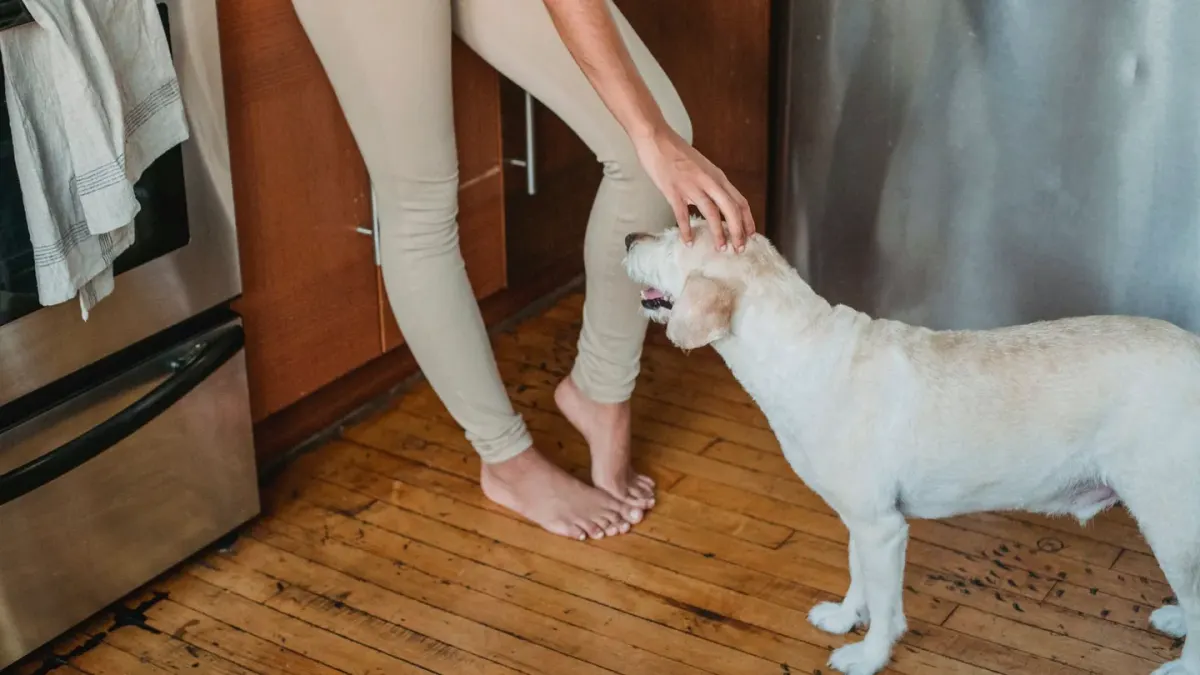
Tonya keeps a glass jar on the counter in Hampton, Virginia, for Oakley, her 2-year-old neutered male Staffordshire Bull Terrier. The bag said natural, the biscuits looked wholesome, and Oakley finished three in under two minutes before pacing with gas that evening.
Vets often see that pattern. A treat can look clean on the front and still be wrong for the dog in front of you. A safe choice comes down to physical size, ingredient load, and how one individual gut handles it.
The jar looked right until Oakley told another story
Oakley is young, lean, and food-driven. Tonya was weighing training rewards against stomach upset, and the loose stool the next morning gave her the answer. She cut the portion to a pea-sized crumb for two days, then stopped the new biscuit entirely.
That reset matters. Treats add calories, sodium, fat, and fiber on top of a complete diet. I weigh what a treat or added supplement can realistically do for diet, mobility, and recovery, and most treats earn their keep by not disrupting digestion, weight, or training focus.
Size sets safety before the recipe does
Choking and gulping risk start with shape. A treat should be small enough to chew, or breakable without shattering into sharp points.
For a terrier-type mouth like Oakley, a thumbnail-sized training bit works. For small dogs, think pea-sized. Large chews need supervision and removal once they wear down to a piece that could be swallowed whole. Dogs that inhale food do better with several tiny rewards spaced out than with one large biscuit.
Treat calories count too. Treats should stay near 10% or less of daily calories, with the balanced diet carrying the rest. That share shrinks fast when treats are cheese cubes, jerky strips, or peanut-butter-stuffed toys.
Natural on the front means little
Ingredient panels tell more than front-of-bag words. Look for a short list with recognizable foods, a guaranteed analysis, feeding directions, and a calorie statement. The Understanding Pet Food Labels page explains what those panels must carry and why calorie and nutrient statements matter for comparison.
Long flavor systems, added colors, and multiple sweeteners do not make a treat unsafe by themselves, but they raise the odds of intolerance. Sugar alcohols deserve a hard pause. Xylitol, also listed as birch sugar, can cause a dangerous insulin release in dogs even in small amounts. Onion and garlic powders, grapes and raisins, macadamia nuts, alcohol, and cooked bones with splinter risk belong out of the jar.

Whole-food options can help when portions stay tight. Plain blueberries, sliced apple without seeds, banana coins, and cooked pumpkin without spice are frequent choices covered in Human Foods That Are Safe for Dogs: The Real Difference Between Fine and Beneficial. For detail on two common picks, see Can Dogs Eat Apples? A Neurologist’s Honest Answer on Seeds, Sugar, and Portions and Can Dogs Eat Blueberries? A Vet Nutritionist’s Guide to Portions and Pitfalls.
Tolerance is the final filter
Two dogs can eat the same treat and respond differently. Watch stool form, gas, itch, ear redness, vomiting, thirst, and energy for 24 to 48 hours after a new treat. One new item at a time keeps the signal clear.
Fat-heavy treats can loosen stool and add weight without adding nutrition. High-fiber treats can help some dogs feel full, yet too much fiber brings gas and urgency. Dogs with kidney disease, pancreatitis history, food allergy, or calorie restriction need a narrower list and a veterinarian check before rich or novel proteins enter rotation.
Onion is a firm no, even as powder in a savory snack, as explained in Can Dogs Eat Onions? Why the Answer Is Simply No.
Keep handling clean. Wash hands, seal bags, and discard treats that smell rancid or past date. The Tips for Safe Handling of Pet Food and Treats page lays out storage, hand washing, and separation steps that lower contamination risk for both dogs and people.
Small amounts reduce harm.
What stays in my treat jar
Plain is the plan. Single-protein freeze-dried meat the size of a pencil eraser, low-fat training bits with a clear calorie count, and measured pieces of dog-safe produce cover most needs. Rotate slowly. Log what works.
If Oakley flares again, Tonya has a path: shrink the piece, shorten the list, and let tolerance vote. Packaging can suggest. Only size, ingredients, and the dog decide.
Frequently asked questions
How many treats per day are reasonable?
Keep treats near 10% or less of daily calories. Use tiny, countable pieces and reduce meal portions slightly on heavy training days to hold weight steady.
Are natural treats safer than regular treats?
Not by that word alone. Compare size, calorie content, full ingredient list, and your dog's stool and skin response over 24 to 48 hours.
What should I do if a new treat causes vomiting or diarrhea?
Stop the treat, offer water and the regular diet, and call your veterinarian if vomiting repeats, stool stays loose beyond a day, blood appears, or energy drops.
Sources
- Tips for Safe Handling of Pet Food and Treats — Tips for Safe Handling of Pet Food and Treats