On this page
Same driveway, same dog, same outcome: a puddle of drool and then breakfast on the back seat before you reach the first stop sign. When it happens on every single trip, that reliability is itself the biggest clue to what’s going on.
Start with a two-minute read of your dog
Before you reach for any remedy, watch the pattern:
- Age — puppies and young dogs get carsick far more often than grown dogs, and many settle down as they mature.
- Timing — drooling and heaving that start before the car even moves lean toward anxiety; signs that build once you’re rolling lean toward motion.
- The road — does it happen on every short, straight hop, or only on long, winding drives?
- Body language — pacing, whining, trembling, or planting the brakes at the car door is fear talking, not just a queasy gut.
- The stomach — was your dog stuffed right before the ride, or running on empty after a long fast?
- Off-road signs — vomiting at home, weight loss, or a wobble turns this from a travel question into a vet visit.
Most owners can sort their dog into one of two buckets within a couple of drives, and the bucket decides the plan.
Two problems that look identical from the driver’s seat
The physical version is true motion sickness. The Merck Veterinary Manual explains that the principal cause is stimulation of the sensory organ in the inner ear, which wires directly to the vomiting center in the brain stem. In young dogs that balance apparatus is still maturing, which is a big part of why puppies heave on drives that never bother the adult dog beside them.
The other version is learned dread. The same manual notes that fear of the vehicle can be a contributing factor, and that signs may show up even in a car that isn’t moving once a dog has been preconditioned to illness associated with travel. In plain terms, the car becomes a place the body expects to feel awful, and the stomach obliges.
One dog is seasick. The other has decided the car means feeling sick.
What helps the queasy dog, and what helps the worried one
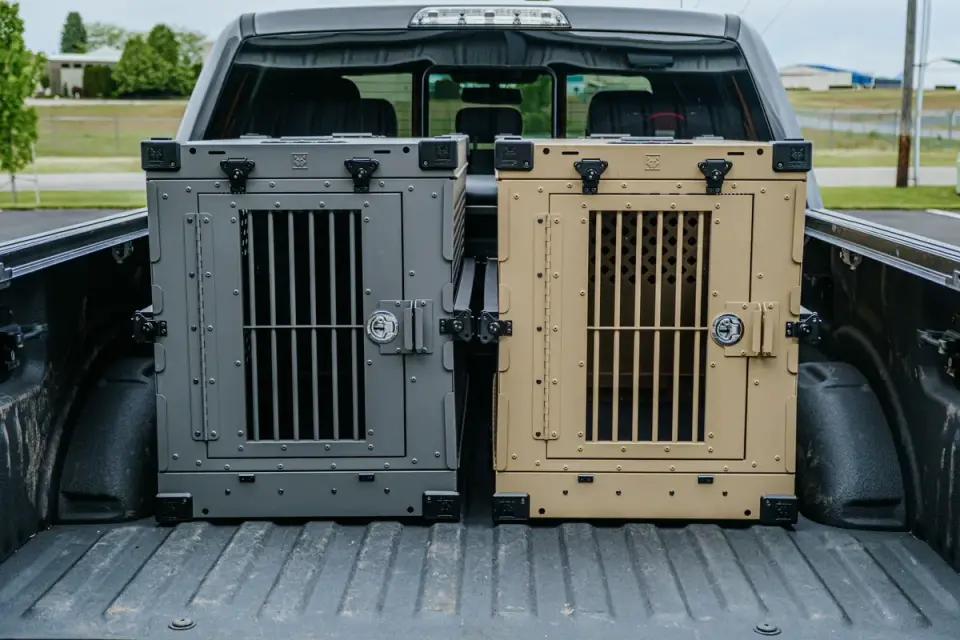
For the motion side, the goal is a calmer inner ear. Secure your dog forward-facing in a crate or a crash-tested harness so the horizon lines up with the movement, crack a window for cool air, and keep trips short at first. Skip the full bowl right before you leave; a light meal a few hours ahead usually rides better than either a stuffed or a bone-empty stomach. When management isn’t enough, ask about medication: per VCA Animal Hospitals, maropitant (brand name Cerenia) is an antiemetic used to treat vomiting and motion sickness in dogs, and it’s typically given about two hours before you leave after a small meal.
For the worried dog, the fix is emotional, not chemical. The Merck manual is blunt that motion sickness can often be overcome by conditioning the dog to travel, and that means going slow: sit together in the parked car with treats, then run the engine, then drive to the end of the block and home, then somewhere your dog loves. Each easy trip is a deposit against the dread.
Calming supplements sit alongside that work, not in place of it. L-theanine, an amino acid from green tea, has the most human data behind it: a Molecular Psychiatry meta-analysis of 31 randomized trials examined its effects on stress and anxiety, though the canine evidence is thinner and the honest framing is “may help support,” not “will fix.” Chamomile is gentler still on the evidence front — a review in Biomedicines points out that for several traditional calming plants the support comes mainly from preclinical studies or long use rather than strong trials. Ginger is the classic anti-nausea folk remedy; a British Journal of Anaesthesia systematic review found the overall picture mixed, with a single seasickness trial favoring ginger over placebo. Some vets also reach for an antihistamine like diphenhydramine off-label, and owners curious about plant compounds sometimes ask about quercetin, which has antihistamine-like activity — useful background reading, though it isn’t a motion-sickness treatment.
When it isn’t the car at all
A dog that suddenly vomits on rides it used to sleep through deserves a workup, not a supplement. In an older dog especially, inner-ear (vestibular) disease and other age-related changes can masquerade as ordinary car sickness; if you’re already thinking about your aging dog, our guide to NAD+ for senior dogs covers more of those late-life shifts. Book the visit sooner if you also see vomiting away from the car, blood, weight loss, a head tilt, or circling — those point past a touchy stomach.
Call your veterinarian, too, before starting any medication or supplement, since dose and drug interactions matter more than the label promises.
Where this goes from here
Most puppies grow out of car sickness, and most anxious dogs can be walked back to calm one short, boring trip at a time. Pair a proper vet workup with the gentle, patient stuff — secure seating, fresh air, a settled stomach, and honest expectations for what a calming supplement can and can’t do. The dog who dreads the driveway today can, with steady practice, become the one who hops in and waits for the window to come down.
Frequently asked questions
Should I feed my dog before a car ride?
A light meal a few hours before you leave usually sits better than either a full bowl right before departure or a completely empty stomach. Ask your vet what timing suits your individual dog.
Will my puppy grow out of car sickness?
Many young dogs improve as their inner-ear balance system matures, especially with short, positive trips. If it persists well past a year or gets worse, have your veterinarian take a look.
Is there a prescription that prevents car-sickness vomiting?
Yes. Maropitant (Cerenia) is an antiemetic that veterinarians use to prevent vomiting from motion sickness, typically given about two hours before travel. Your vet decides whether it fits your dog.
My older dog suddenly gets sick in the car. Is that just motion sickness?
New-onset nausea on drives an older dog used to tolerate deserves a vet visit, because inner-ear (vestibular) disease and other age-related problems can mimic ordinary car sickness.
Sources
- Motion Sickness in Dogs — Merck Veterinary Manual
- Maropitant Citrate — VCA Animal Hospitals
- Cognitive and affective effects of L-Theanine: a systematic review and meta-analysis of 31 randomized trials — Molecular Psychiatry
- Efficacy of ginger for nausea and vomiting: a systematic review of randomized clinical trials — British Journal of Anaesthesia
- Wild Flora Species from Romania with Anxiolytic and Antidepressant Potential: A Global Perspective—Narrative Review — Biomedicines