
On this page
The dog was a stout beagle mix named after a cartoon detective, and he’d worked the base of the counter like he owned it. His owner told me the story months later, laughing about it now: a holiday ham resting under foil, a beagle nose that could find a crumb through a closed door, and a plate of trimmings left just low enough. By the time anyone noticed, half a cup of fatty scraps and salty glaze was gone. He was fine, mostly, after a rough 36 hours of vomiting, a vet visit, and a very apologetic family. Not every dog gets off that easy.
That story is common enough that I hear some version of it every holiday season, and it’s worth sitting with before answering the actual question owners ask: can dogs eat ham? The honest answer is yes, in theory, but I want to walk through why I still don’t recommend it before you slip a piece under the table.
What Makes Ham Different From Other Meat Scraps
Plain muscle meat is not the problem. Ham is a pork product cured with salt, and often sugar, nitrates, and a glaze, which changes its nutritional profile substantially from a fresh pork chop. That curing process is exactly what gives ham its flavor and shelf life, and it’s also what makes it a poor fit for a dog’s diet. Fat content varies by cut, but ham is generally higher in fat than a trimmed chicken or turkey breast, and it’s often served alongside drippings, glaze, or skin that concentrate that fat further.

The Sodium Math Most Owners Never Do
According to the American Kennel Club, ham’s curing salt is the single biggest concern for dogs, and in enough quantity it can cause sodium ion poisoning, with signs including vomiting, diarrhea, excessive thirst, and in severe cases, seizures. The Merck Veterinary Manual describes this as salt toxicosis, and while most dogs would need to eat a genuinely large amount of ham to reach a dangerous dose, a small dog stealing a plateful of trimmings is not a hypothetical. A single slice occasionally is a different story from a counter-surfing binge, and the dose really does make the difference here.
That difference matters more for some dogs than others.
When Fat, Not Salt, Becomes the Real Threat
I think about a Labrador I’ve seen described in almost identical terms by several colleagues over the years: middle-aged, a little heavy, generally food-motivated to the point of comedy, and completely fine until the one meal that wasn’t. The dog gets a hearty helping of fatty leftovers at a family gathering, seems normal that evening, and by the next morning is hunched, refusing food, and vomiting repeatedly. That pattern, a high-fat meal followed by acute abdominal pain within 24 to 48 hours, is the classic presentation vets associate with pancreatitis, and it’s exactly the scenario ham is well suited to trigger given its fat load. VCA Animal Hospitals notes obesity and high-fat diets are among the factors implicated in canine pancreatitis, though a recent High Fat, High Risk? Evaluating the Strength of Evidence Linking Dietary Fat and Pancreatitis in Dogs: JAVMA evidence review is careful to point out the research linking dietary fat directly to pancreatitis onset is weaker and more inconsistent than the long-standing recommendation to restrict fat would suggest. I still weigh that uncertainty toward caution: even if fat alone doesn’t fully explain every case, a rich, salty, glazed meat is not the ingredient I’d choose to test that theory on a dog already carrying extra weight.
A pancreas under repeated strain doesn’t always announce itself right away, either. Dogs recovering from a bout of pancreatitis, or living with exocrine pancreatic insufficiency, are typically managed with pancreatic enzyme replacement and a low-residue, moderate-fat diet, alongside cobalamin supplementation, per a Exocrine Pancreatic Insufficiency in Dogs and Cats: JAVMA review of exocrine pancreatic insufficiency. That review also notes researchers are still working out why some dogs develop persistent gut dysbiosis even after starting enzyme therapy. Separately, a Frontiers in Veterinary Science: probiotic trial in dogs found that gut microbiome diversity metrics didn’t reliably distinguish which dogs responded to a probiotic and which didn’t, a reminder that gut recovery after a dietary insult is genuinely individual and not something a single supplement guarantees to fix. None of that means ham single-handedly causes EPI; it means the digestive system asked to process a fatty, salty outlier meal doesn’t always bounce back cleanly, and some dogs are more vulnerable than others.
Bones, Glazes, and the Extras That Complicate the Answer
Ham rarely arrives alone. Honey-brown sugar glazes, clove studding, and onion or garlic-based marinades are common on holiday hams, and garlic and onion are toxic to dogs regardless of how the rest of the meat is prepared. Ham bones are another separate hazard: cooked bones splinter, and even raw ham bones can fracture teeth or lodge in the esophagus or intestine. If you’re going to offer ham at all, that means trimming it down to plain, unglazed meat with no bone anywhere nearby, which in practice removes most of what makes a holiday ham a holiday ham.
Where I Land as a Nutritionist
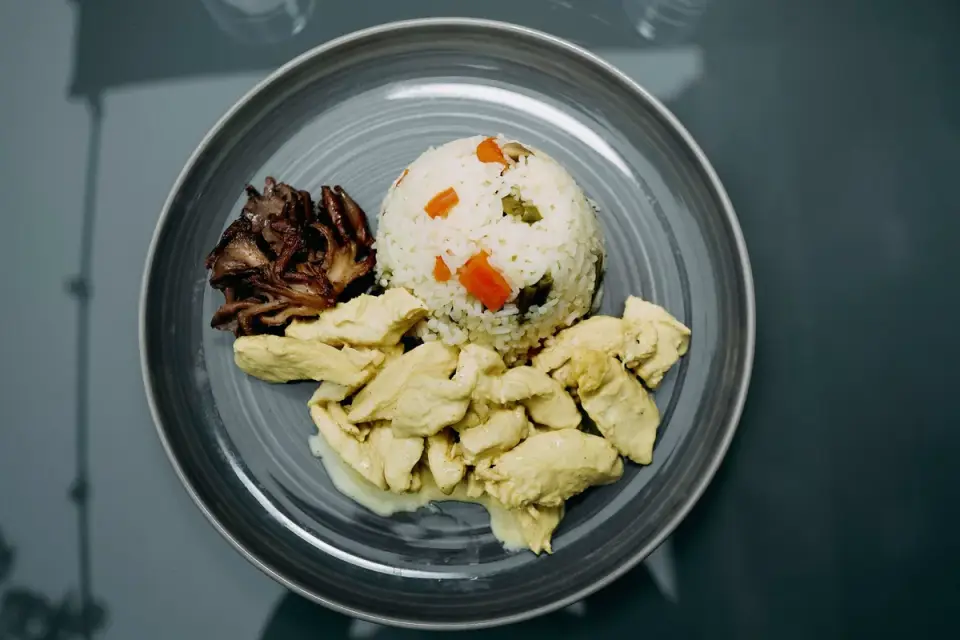
A thin, unseasoned bite of ham now and then isn’t going to send a healthy dog to the emergency room, and I’m not going to pretend otherwise. But when I weigh what that piece of ham actually adds to a dog’s diet against what it risks, the trade doesn’t favor ham. It offers no nutrient a leaner protein doesn’t already provide, and it stacks two of the more preventable emergency-room visits I see, sodium ion poisoning and pancreatitis, onto a food that’s easy to simply not offer. For a treat with a similar chew and smell but a fraction of the risk, boiled or baked plain chicken or turkey breast does the job. For dogs recovering from a GI upset or managing a sensitive stomach long-term, our guide on switching a senior dog to a new food walks through how to transition without adding stress to an already taxed gut, and our piece on how much fiber is too much is worth a read if you’re using fiber to help settle things afterward. If you’d rather offer a genuinely safer people-food treat, our sweet potato guide covers a lower-risk option many dogs like just as much. And if a vet ever recommends a probiotic to help rebuild the gut after a fatty-food scare, our breakdown of cGMP certification versus NASC membership explains what those labels actually verify before you buy one.
The beagle from the opening story never got a repeat performance; his family started locking the oven door during holidays instead. That’s really the whole recommendation, distilled: keep ham out of reach, keep the treats plain, and save the drama for the story you tell afterward instead of the vet visit that produced it.
Frequently asked questions
How much ham is safe for a dog to eat?
A dime-sized, unseasoned piece once in a great while is unlikely to cause harm in a healthy adult dog. Treat it as an occasional exception, not a daily topper, and skip it entirely for dogs with a history of pancreatitis, heart disease, or kidney disease.
What should I do if my dog eats a lot of ham?
Watch closely for vomiting, diarrhea, excessive thirst, lethargy, or tremors over the next 24-48 hours, and call your veterinarian right away if you see any of them. Sodium ion poisoning and pancreatitis can both take a few hours to show up.
Is ham bone broth or ham fat safer than the meat itself?
No. Ham fat and drippings are often more concentrated in fat than the meat itself, and that's the fraction most linked to pancreatic flare-ups. Ham bones also splinter easily and are a common cause of obstruction and tooth fracture.
Can dogs with digestive issues ever have ham?
I'd skip it. A gut already prone to loose stool or inflammation doesn't need an added sodium and fat load, and a bland, low-fat protein will support recovery far better.
Sources
- Can Dogs Eat Ham? — American Kennel Club
- Salt Toxicosis in Animals — Merck Veterinary Manual
- Nutrition and Pancreatic Disease in Dogs — VCA Animal Hospitals
- High Fat, High Risk? Evaluating the Strength of Evidence Linking Dietary Fat and Pancreatitis in Dogs — JAVMA
- Exocrine Pancreatic Insufficiency in Dogs and Cats — JAVMA
- Probiotic Response Variability and Gut Microbiome Diversity in Dogs — Frontiers in Veterinary Science