On this page
A Lab mix named Percy came into my ER on a Tuesday night, thirty-five pounds, four years old, still wagging his tail in triage while his blood glucose sat at 42. His owner had smeared a spoonful of a “high-protein” peanut butter onto a lick mat twenty minutes earlier — the kind sold at the gym-supplement aisle, not the grocery store. She’d never heard of xylitol. Neither had I heard of it in peanut butter until that year; I’d only ever seen it in sugar-free gum cases. Percy needed a dextrose drip and an overnight stay before his glucose held steady on its own. He was lucky. The dose in that jar, for his size, landed him close to the range where liver injury starts, not just the blood-sugar crash. That case is why I now ask owners a very specific question before I recommend peanut butter as a pill-hiding trick or a lick-mat filler: have you actually read the ingredient label, or just assumed peanut butter is peanut butter?
What xylitol is doing in a peanut butter jar at all
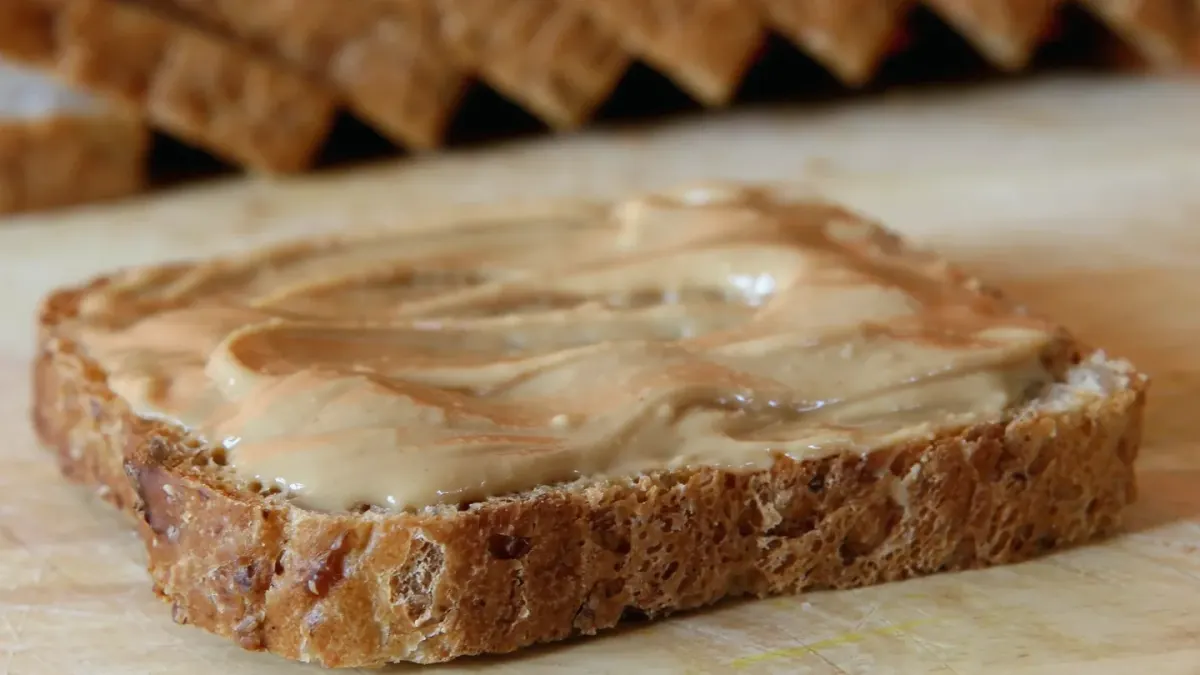
Xylitol is a sugar alcohol, cheap to produce and popular in “keto,” low-carb, and high-protein foods because it sweetens without spiking blood sugar in people. It shows up in sugar-free gum, some toothpastes, and baked goods — and, increasingly, in specialty and “fitness” peanut and nut butters marketed as low-sugar alternatives. According to dvm360, xylitol has moved beyond gum and candy into nut butters specifically, a shift that caught a lot of veterinarians off guard because peanut butter has long been a default “safe” treat and pill-wrapper. Mainstream jars — the ones most owners grew up with — still don’t use it. The risk clusters in newer, smaller-batch, or protein-boosted brands.
Why this particular sweetener is dangerous for dogs and not for people
Here’s the mechanism, stripped of jargon: in people, xylitol doesn’t trigger much of an insulin response. In dogs, it does — and fast. The Merck Veterinary Manual puts the hypoglycemia threshold at roughly 100 mg/kg, with severe liver injury possible above about 500 mg/kg. A dog’s pancreas reads xylitol as if it were real sugar and dumps insulin into the bloodstream, and that insulin surge crashes blood glucose within thirty minutes to a few hours. Some dogs skip the hypoglycemia phase almost entirely and go straight to liver damage instead, which is the scarier variant because it can show up a day or two later, after the owner has stopped watching for symptoms. A peer-reviewed update in PubMed confirms this dual pathway — low doses tend to drop blood sugar, higher doses tend to injure the liver — and notes that the liver-failure cases carry a guarded to poor prognosis once clotting problems set in. That’s the part I want owners to sit with: this isn’t a stomach-upset ingredient. It’s a metabolic one.
The label check I now walk every owner through
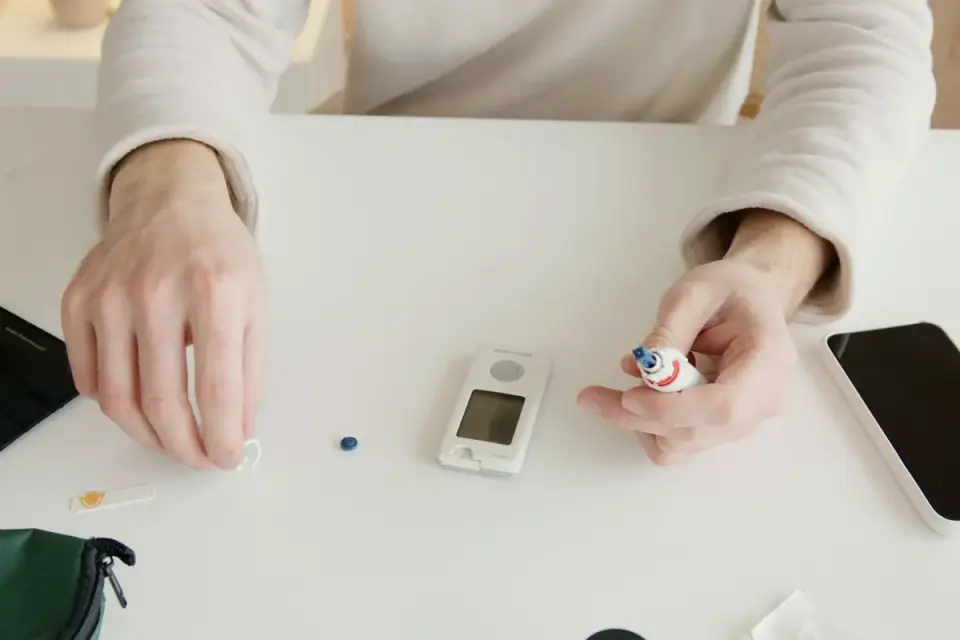
I’ve watched this play out enough times that I stopped assuming and started asking every client with a peanut-butter-and-medication routine to bring me the jar, or at least a photo of the ingredient panel. Xylitol has to be listed by name under FDA labeling rules — it won’t hide under “natural sweetener” or a vague blend name. Scan the ingredient list, not the front-of-package marketing. “Sugar-free,” “low-carb,” “keto-friendly,” and “high-protein” are the phrases that should make you slow down and actually read, because those are the formulations most likely to substitute a sugar alcohol for sugar. Mainstream jars like Jif, Skippy, Smucker’s, and Peter Pan haven’t gone this route. Specialty and protein-forward brands — the type sold in fitness stores or marketed toward people watching their own carb intake — are where xylitol has actually turned up, so treat any jar from that category as unverified until you’ve read the label yourself.
For what it’s worth, this is the same habit I push people toward with supplements generally — I’ve written before about why cGMP certification and NASC membership verify different things, and neither one substitutes for reading what’s actually printed on the container. The same discipline applies here: a clean-sounding front label tells you almost nothing about what’s inside.
What to actually do if your dog gets into a xylitol jar
Don’t wait for symptoms. If you know or suspect the peanut butter contains xylitol and your dog ate any meaningful amount, call your vet or an emergency clinic immediately — this is not a “watch and wait” situation, because the glucose crash can start before you’ve finished reading a label online. Do not induce vomiting at home unless a vet or poison control tells you to, and don’t give activated charcoal on your own; it doesn’t reliably bind xylitol anyway. Bring the jar or a photo of the ingredient list with you. Expect your vet to check blood glucose immediately, then recheck it every hour or two, and to run liver enzymes over the following one to three days even if the first glucose reading looks normal, since the ASPCA notes some dogs develop liver injury without ever showing the classic hypoglycemia signs first. Dogs treated early for uncomplicated hypoglycemia generally do well; the outcome gets murkier once liver values climb.
The dogs I worry about most are the small ones. A ten-pound terrier hits a dangerous dose from a fraction of the peanut butter it would take to affect a seventy-pound Lab, and small dogs are exactly the ones people are hiding pills in a spoonful of peanut butter for, twice a day, without a second thought.
The case that changed how I answer this question
A few months after Percy, I saw a nine-year-old dachshund named Biscuit for a coughing episode unrelated to any of this — a cardiology consult, not a toxicology case. But her owner mentioned, almost in passing, that she used a “protein peanut butter” from her own gym bag to hide Biscuit’s daily medication because the dog had gotten picky about pills. I asked to see the label before I said anything else. It didn’t contain xylitol, as it turned out, but the owner had never checked, and she’d been doing this twice a day for months. That’s the moment I stopped treating this as a rare-case warning and started treating it as a routine question, the same way I ask about NSAID use or grape exposure. It costs ten seconds to check a label. It costs a night in the ICU, or worse, not to.
Where I land on this
I’m not going to tell you to swear off peanut butter as a treat or a pilling tool — it’s genuinely useful, dogs like it, and most of what’s on grocery shelves is still xylitol-free. What I will say plainly is that “peanut butter” stopped being a single, predictable product the moment specialty and high-protein brands entered the category, and the burden is on the owner to read the label every time a new jar enters the house, not just the first time. If you’re the kind of owner who also reads supplement labels carefully — checking for things like NASC membership or verified sourcing before you trust a chew or a fish oil product — apply that same scrutiny here. The NC State College of Veterinary Medicine has tracked this shift toward xylitol in peanut and nut butters closely enough to warn owners specifically about it, which tells you this isn’t a hypothetical risk dreamed up for a headline. Check the jar. Every time.
Frequently asked questions
How much xylitol is dangerous for a dog?
The Merck Veterinary Manual lists roughly 100 mg/kg as the threshold linked to hypoglycemia in dogs, with severe liver injury possible above about 500 mg/kg — so smaller dogs reach a dangerous dose from far less peanut butter than larger ones.
Do Jif, Skippy, or Peter Pan peanut butter contain xylitol?
No. Mainstream grocery-store peanut butter brands have not adopted xylitol. The ingredient has turned up mainly in specialty, low-carb, and high-protein nut butters marketed toward people managing their own sugar intake.
What are the first signs of xylitol poisoning in a dog?
Vomiting can start within thirty minutes, followed by weakness, lethargy, poor coordination, and in more severe cases seizures or collapse. Liver injury can develop later, sometimes without the earlier hypoglycemia signs.
Sources
- Xylitol Toxicity in Dogs: The Peanut Butter Danger — NC State College of Veterinary Medicine
- Xylitol Toxicosis in Dogs — Merck Veterinary Manual
- Updated Safety Warning on Xylitol: How to Protect Your Pets — ASPCA
- Xylitol now found in certain peanut and nut butters — dvm360
- Xylitol Toxicosis in Dogs: An Update — PubMed