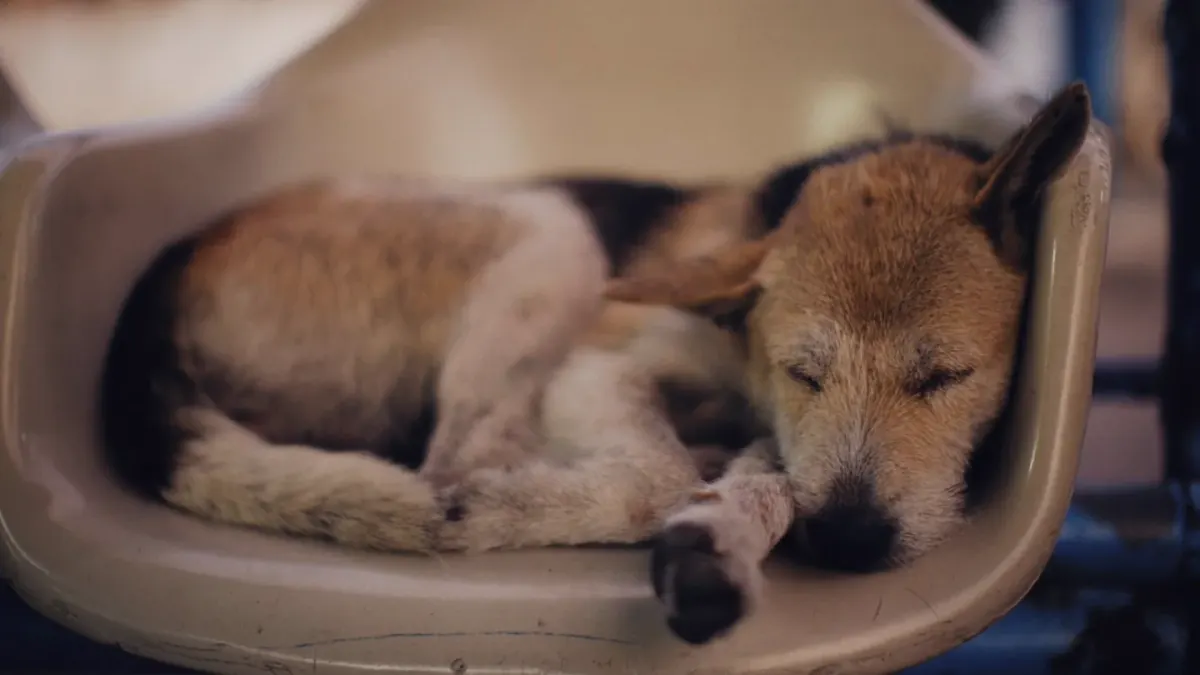
July starts the same way in my notes. An owner calls about a dog who pants at the first distant pop, and asks what to do before the holiday weekend. Last summer it was a 4-year-old, 62-pound Lab mix who had chewed a window blind the previous Fourth of July. She was not being stubborn. She was trying to escape noise she could not locate, and her owners wanted a plan that gave her a better option this year. We picked one interior room and built everything around it for three weeks in advance, with short settling sessions each evening until her breathing slowed on the bed by day 10.
That is the core decision with a fireworks safe room. You are not soundproofing a house. You are giving a frightened dog one predictable place that stays dim, muffled, and familiar while the noise passes.
Pick the quietest room you already have
Start two to three weeks out if you can. Walk the house at night and listen. An interior bedroom, laundry room, or large closet usually wins because it shares fewer exterior walls and windows. A basement can work if your dog already likes it, but do not force a dog downstairs for the first time on fireworks night.
Close windows, blinds, and curtains to cut flashes and rattle. Move anything sharp, chewable cords, or toppling shelves out of reach. Set water in a heavy bowl in a corner where it cannot spill across bedding. If your dog is crate trained and loves the crate, leave the door open inside the room so the crate becomes a den within a den. The RSPCA advises a similar approach of a secure indoor den with familiar bedding during fireworks season.
Make the floor comfortable. A washable bed, a worn shirt that smells like you, and one long-lasting chew are enough. Keep lighting low and warm. A white-noise machine or low television helps blur sharp cracks. Test the volume during the day. You want background hum, not another source of startle.
Practice settling before you need it
A safe room only works if the dog has practiced being calm there. Feed meals in that room for a week. Sit with your dog for ten minutes, reward quiet lying down, then leave for short periods. Build to an hour while you are home but out of sight.
Here is where layering matters in my cases. Acupuncture and adjustment support movement comfort, and physical rehab builds confidence in the body, but none of that replaces rehearsal. I tell owners to layer the modalities the way I work a case. Comfort first, then routine, then the room itself. Most dogs need two to three weeks in to link that bed with settling rather than confinement.
The tradeoff showed up with a 7-year-old, 18-pound terrier mix I followed two summers ago. Her owners had done everything right on paper. They bought a thick orthopedic bed, sealed the room, and ran loud classical music to drown out booms. By night three of practice she refused to enter. The music was too loud and the new bed smelled like the warehouse. We stripped it back. We washed the cover, lowered the sound to a murmur, and let her bring her thin old blanket. She settled within four days. More is not better. Familiar is better.
If you use calming nutrition, keep expectations honest. MDPI notes in a recent review that “For the remaining species, evidence is derived mainly from preclinical studies or traditional use.” That context helps when you read about herbs for relaxation, including background I have summarized in my comparison of chamomile and L-tryptophan and in notes on human magnesium pills versus a dog calming chew.
Run the night like a routine, not a rescue
On fireworks evening, exercise earlier in daylight and feed a little early so digestion is settled. Take a final leash walk before dusk. Then move to the safe room before the first booms, not after panic starts.
Stay calm and matter-of-fact. Petting a trembling dog does not reward fear. Sit nearby, breathe slowly, and offer the chew or a stuffed Kong. Keep the door closed so a startled dog cannot bolt, and check that collar tags and microchip details are current in case of escape. The American Veterinary Medical Association recommends keeping pets indoors, secured, and identified during fireworks for exactly this reason.
One short paragraph to remember. You are the steadiest signal in the room.
The edge case owners miss is the dog who does not hide but paces and pants by the door. An 11-year-old, 71-pound senior Shepherd in that pattern taught me to change the plan. Confinement raised his heart rate because stiff hips made turning in a small bathroom hard, and heat made panting worse. We moved his safe area to a larger carpeted bedroom with a cool floor section, added a fan for airflow, and left a hallway light on so he could see without glare. His pacing shortened from forty minutes to brief checks by the bed. For seniors, space, footing, and temperature matter as much as quiet. My background on movement support shapes that view, and it connects to broader calming routines I discuss in human 5-HTP supplements versus a dog calming chew.
After the finale, keep the room available for an hour. Let your dog choose when to leave. Clean bedding if it holds sweat or drool, and note what helped for next year.
Frequently asked questions
When should I start setting up the safe room?
Two to three weeks before expected fireworks if possible. That gives time for meals, short rests, and gradual alone time in the room so it feels familiar.
Should I stay with my dog during fireworks?
If you can, sit nearby and stay calm. Quiet company and a familiar chew help more than coaxing or fussing. Leave an exit-safe setup if you must go out.
Should I use a crate inside the safe room?
Use a crate only if your dog already rests well in one with the door open. Do not introduce crate confinement for the first time on fireworks night.
Sources
- Fireworks advice for pet owners — RSPCA
- Pets and fireworks safety — American Veterinary Medical Association
- Biomedicines herbal review 2025 — MDPI