On this page
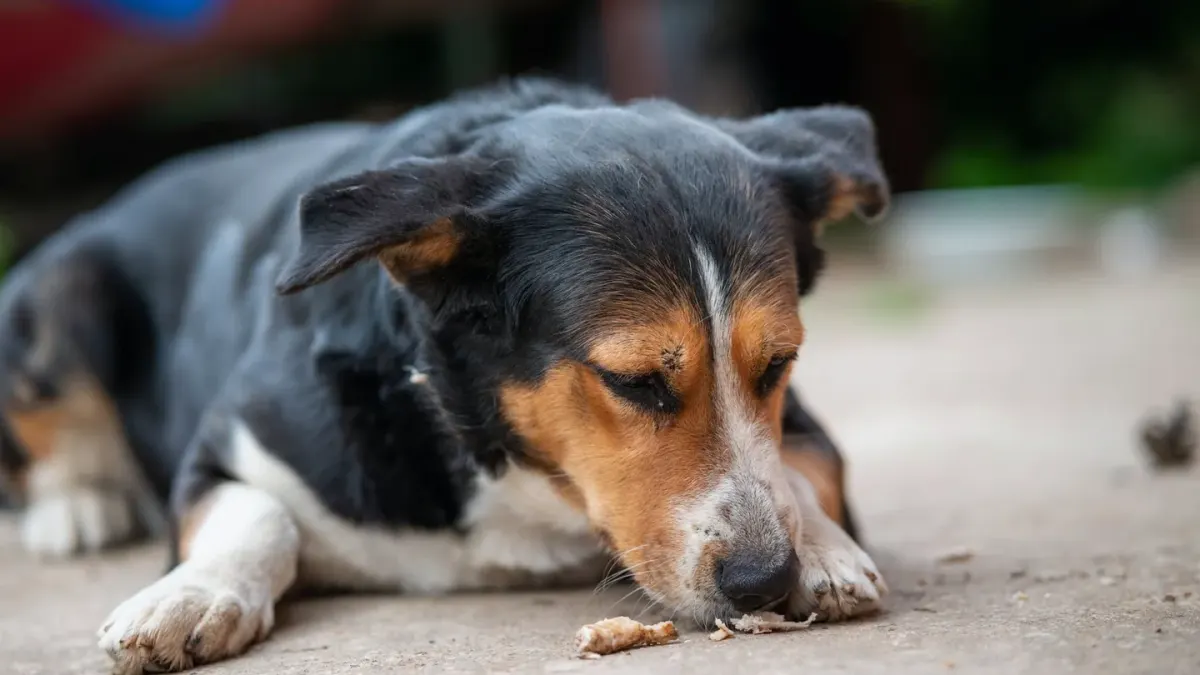
A gray-muzzled Springer still wants the game. She sits a beat slower, sniffs longer, then looks up for the payoff.
That payoff is the whole training plan in an older dog. Training keeps the brain engaged and the joints moving, yet every extra bite lands on a slower metabolism. The fix is not to stop rewarding. It is to change what a reward means.
A quick checklist for senior training treats:
- 3 calories or less per piece, or easily broken that small
- Soft, pea-sized, and quick to swallow without much chewing
- Protein-first ingredient list with no onion, garlic, xylitol, or excess salt
- Sodium and fat kept modest for heart, kidney, and pancreas
- Total treat calories counted inside the day, near 10% or less
- Texture matched to teeth, nose, and stomach tolerance
Keep that list on the fridge. The rest of this guide shows how each line works in practice.
When noses fade and teeth ache
Aging changes how a reward is perceived. Smell dulls, cartilage thins, and dental disease makes crunching painful. A large, dry biscuit that once thrilled a young dog may now end up crumbled on the floor.
Reach for both the imaging study and the acupuncture needle here. Western nutrition gives us calorie math and nutrient requirements, while TCVM food therapy reminds us to watch how warming, cooling, and easy-to-digest foods may help support comfort and appetite. The mechanism matters more than the marketing.
Soft matters. Think cooked diced chicken breast, a sliver of banana, a blueberry cut in half, or a commercial soft treat the size of a pea. Food that can be swallowed in one lick keeps focus and protects sore mouths. For safe produce ideas, see guidance on Can Dogs Eat Apples? A Neurologist’s Honest Answer on Seeds, Sugar, and Portions and Can Dogs Eat Blueberries? A Vet Nutritionist’s Guide to Portions and Pitfalls.
Warren in College Station learned this with Cutie, his 13-year-old spayed English Springer Spaniel. She started spitting out her old crunchy stars during a three-minute sit-stay routine. He switched to pea-sized bits of soft treat, kept sessions to 12 rewards, and she finished bright-eyed instead of wandering off.
Count the session before you pour
Senior dogs often need fewer calories than they did at age four. Muscle loss and lighter activity lower daily needs, a pattern detailed in the nutrient requirement tables summarized by the National Academies Press.
Vets often see owners count meals carefully and then forget training. Ten 10-calorie treats equal 100 calories. For a small senior eating 400 calories per day, that is one quarter of intake.
Do the session math first.
Aim for treats around 2 to 3 calories each when you plan more than a dozen reps. If the label only lists calories per ounce or per kilogram, do the division. Calorie statements on pet labels follow general labeling rules explained by the U.S. Food and Drug Administration, so look for kcal per piece or kcal per kg and convert.
Keep training treats near 10% of daily calories, and trim meal portions on heavy training days.
Read the back, not the front
Front labels shout grain-free, natural, or senior. The back tells the truth.
Look for a named animal protein, fish, or single-ingredient freeze-dried meat first. Then scan for calorie content, sodium, and fat. Senior dogs with kidney, heart, or pancreatic history do best with modest fat and no salty jerky-style extras.
Skip anything with onion or garlic powder. Both are risky for dogs, as explained in Can Dogs Eat Onions? Why the Answer Is Simply No. Skip xylitol, also called birch sugar, and skip rich, fatty table scraps that can unsettle an older gut.
Plain beats clever.
Single-ingredient proteins, plain boiled chicken, tiny bits of low-fat cheese for dogs that tolerate dairy, or soft commercial treats with short lists usually win. When you change foods or treat types, transition slowly and watch stool and appetite, using the same gradual approach outlined in How to Change Food for a Senior Dog: A Vet’s Step-by-Step Transition Guide.
Where soft food wins, and where it stops
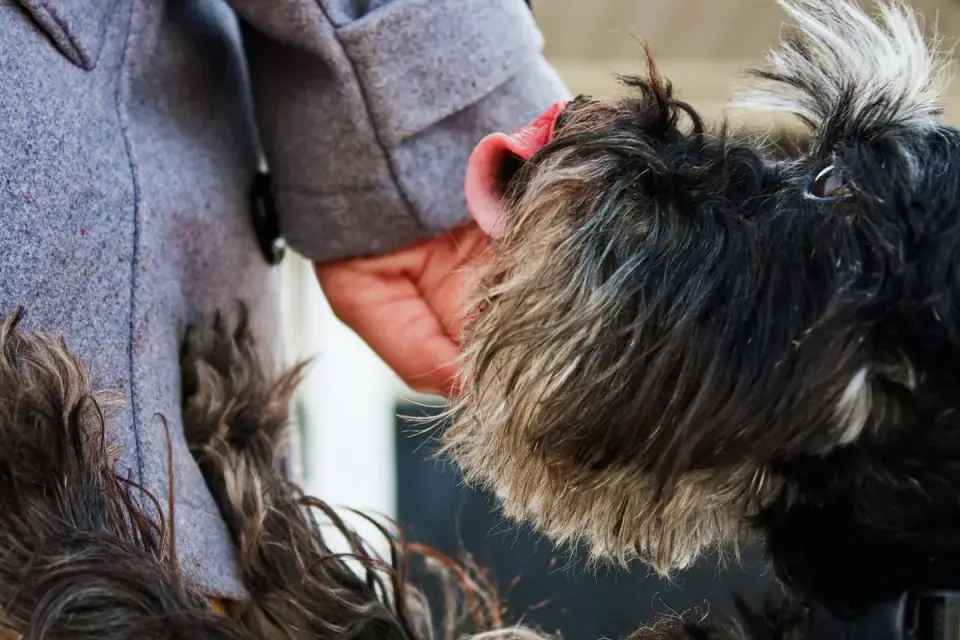
Soft, aromatic treats win for senior focus. Warming the treat between your fingers for a few seconds releases scent. Cutting to lentil size prevents gulping and choking. Licking a squeeze of wet food from a tube can reward calm behavior without much chewing at all.
That approach stops winning when speed matters less than value.
For a high-distraction recall or a vet-visit cooperative-care rep, one higher-value bite may teach more than five bland ones. Use it, count it, then return to the low-calorie base. Plain language, short sessions, clear criteria.
TCVM food therapy frames this as supporting Spleen-Stomach digestion through warm, simple, easy foods rather than rich or greasy ones. That tradition aligns with the mechanism modern nutrition describes: smaller particle size and modest fat may help support comfortable gastric emptying in older dogs.
One short rule holds.
Tiny and counted beats big and guessed, every time.
What I would buy for an old nose
Forget the leaderboard. Buy on function.
Choose one soft, low-calorie daily trainer around 3 calories or less that your dog will work for in the kitchen. Choose one smellier, slightly higher-value option for outside work, and cut it half the size. Rotate proteins every few weeks if stool stays firm, so boredom does not blunt motivation.
Store treats in small pre-counted pots. Twenty peas in a jar ends the mindless handful problem.
If weight creeps up, treats tighten first. Ribs should be easy to feel under a light fat cover, with a visible waist from above. Weight checks every two to four weeks catch drift before joints pay for it.
Frequently asked questions
How many training treats can a senior dog have per day?
Count calories, not pieces. Keep all treats and toppers near 10% of daily calories, use 2 to 3 calorie pieces for long sessions, and reduce meal portions slightly on training days.
Are soft or crunchy treats better for older dogs?
Soft, pea-sized treats are usually better for seniors with worn teeth, missing teeth, or weaker smell. They are faster to eat and easier to scent, which keeps focus without jaw fatigue.
What ingredients should I avoid in senior training treats?
Avoid onion, garlic, xylitol, excess salt, and very fatty treats. Choose short, protein-first lists and match fat and sodium to any heart, kidney, or pancreas guidance from your vet.
Sources
- Nutrient Requirements of Dogs and Cats — National Academies Press