
On this page
Expect a smart, vocal, beard-first puppy who learns routines fast when you teach them early.
Your first-year checklist:
- Set a low-stress handling baseline for beard, paws, ears, and teeth by week 10
- Lock in vaccine and parasite prevention visits on your vet’s timeline
- Train a quiet cue and alone-time routine before barking becomes habit
- Groom on schedule: comb-outs 2–3x weekly, clip or hand-strip every 5–8 weeks
- Feed for steady growth, not fast growth, and track body condition monthly
- Socialize in short, positive exposures through month 4, then keep practicing
By three weeks in, one 10-week-old Miniature Schnauzer puppy I counseled had already learned that the kitchen rug meant barking for crumbs. She was 9 pounds of confidence, bright-eyed, beard damp from the water bowl, and already testing a sharp, rhythmic bark when her owners left the room. They worried they had chosen the wrong breed for a townhouse. We did not start with bark collars or long lectures. We started with expectation first: this breed notices everything and comments on it, so we would teach a place mat, reward quiet check-ins, and build three-minute alone-time reps with a stuffed Kong. That concrete plan changed the question from can she be quiet to when do we pay the quiet.
The early weeks: 8 to 12 weeks
Bring home structure, not just supplies. Keep days predictable. Meals, naps, potty breaks, and brief play in the same order help a Schnauzer puppy settle.
Health comes first. Your veterinarian will set vaccines, deworming, and flea, tick, and heartworm prevention based on local risk and the current American Animal Hospital Association canine vaccination guidance. Bring breeder or shelter records, a stool sample, and your feeding history to that first visit.
What I prioritize at baseline
- Behavior: short crate naps, name recognition, hand-feeding for gentle mouth manners.
- Low-stress handling: touch beard, lift lips, rub paws daily with treats. Keep sessions under two minutes.
- Potty: out after sleep, play, and meals. This breed is clever but still a baby bladder until about 4–6 months.
The American Kennel Club describes the Miniature Schnauzer as sturdy, alert, and trainable, and that matches what I see. Sturdy does not mean low-maintenance. That wiry coat mats at the friction points if you skip combing.
The training window: 3 to 6 months
This is your highest-leverage period for sound sensitivity, barking, and polite greeting.
Teach an incompatible behavior for barking. A dog on a mat with a chew cannot also rush the window barking. Practice doorbell sounds at low volume, reward glances back at you, then build duration. Keep it preventive: two five-minute sessions beat one long frustrated session.
Socialization means calm exposure, not flooding. Short trips to different surfaces, sounds, and friendly people help support confidence. Pair each new thing with food or play, then leave while it is still fun. For training mechanics, I often point clients to the basics outlined by VCA Animal Hospitals for timing, rewards, and crate use.
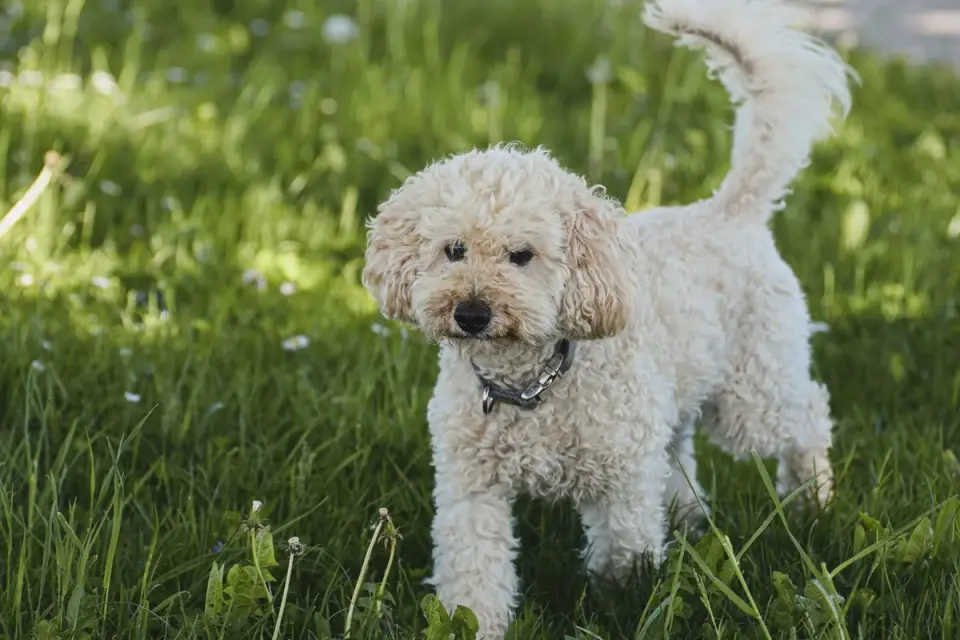
By day 10 of a new plan, a 5-month-old 14-pound male taught me the failed approach I now warn against. His family had tried shouting quiet from the couch, then long park sessions to tire him out. The barking got louder, and the puppy came home overtired and mouthy. We traded that for the opposite: less free rehearsal, more structure. Curtains closed during trigger hours, white noise on, three mat reps before dinner, and a sniff walk instead of a second fetch marathon. His barking did not vanish. It became interruptible, which is the realistic timeline for this breed.
Feeding and growth
- Feed a complete puppy diet formulated for small breeds and follow label portions, then adjust to body condition.
- Expect uneven growth spurts. Ribs should be easy to feel with light fat cover.
- Keep treats small and count them. Schnauzers may help support a healthy weight best with measured meals rather than free-feeding.
If you are weighing breeds for your household rhythm, read Best Dog Breeds for Apartment Living: What Actually Matters and Best Dog Breeds for First-Time Owners: What Actually Predicts Success.
The adolescent stretch: 6 to 12 months
Expect selective hearing around 7–9 months. Training is not broken. Your teenager is testing whether cues still pay.
Keep preventive habits tight here:
- Continue monthly prevention year-round as directed.
- Brush teeth several times weekly if your vet approves. The beard traps moisture, so dry the muzzle after drinking to help support skin comfort.
- Maintain grooming appointments. By month 8 most pet Schnauzers need a full groom every 5–8 weeks, with comb-outs between.
Exercise needs are moderate. Two walks plus sniff time and trick training usually satisfy an adolescent. A tired Schnauzer is good. A trained Schnauzer is better.
At 11 months old, a 17-pound female showed the edge case I want every owner to know. She was house-trained, crate-trained, and quiet — until her family added a second dog. The older dog resource-guarded toys, and the young Schnauzer began lifting her leg to mark doorframes, a behavior her owners had not expected in a female. We did not label her stubborn. We managed triggers, separated high-value chews, restarted tethered potty supervision for two weeks, and taught both dogs to trade. Context had changed the plan, not temperament. If you are considering two dogs, read Best Dog Breeds for a Multi-Dog Household: What Actually Predicts Peace.
Where I land
My evidence-bounded recommendation is simple: invest hardest in handling, quiet training, and grooming routine before month 5. The strongest counterargument is to focus on obedience commands first — sit, down, shake — because they feel like progress. Commands matter, but they do not prevent the three reasons Schnauzers return to my exam room stressed: matted beards, rehearsed barking, and rushed socialization.
You cannot train out breed traits. You can channel them.
Short version: schedule prevention, comb the beard, pay for quiet, and keep adolescence boring and consistent. Do that, and month 12 usually brings a confident, funny little dog who still announces the delivery truck — once — then looks to you for what comes next.
Frequently asked questions
How much grooming does a Miniature Schnauzer puppy need in the first year?
Plan on comb-outs 2–3 times weekly and professional grooming every 5–8 weeks. Daily beard drying after meals and water helps prevent matting and odor.
Are Miniature Schnauzers very barky as puppies?
They are alert and vocal by breed type. Early mat training, controlled exposures, and rewarding quiet check-ins may help support calmer behavior.
When does adolescence peak?
Many puppies test boundaries around 7–9 months. Keep routines consistent, reinforce known cues, and avoid adding major changes during that stretch if possible.
Sources
- Miniature Schnauzer Dog Breed Information — American Kennel Club
- 2022 AAHA Canine Vaccination Guidelines — American Animal Hospital Association
- Puppy Behavior and Training - Training Basics — VCA Animal Hospitals