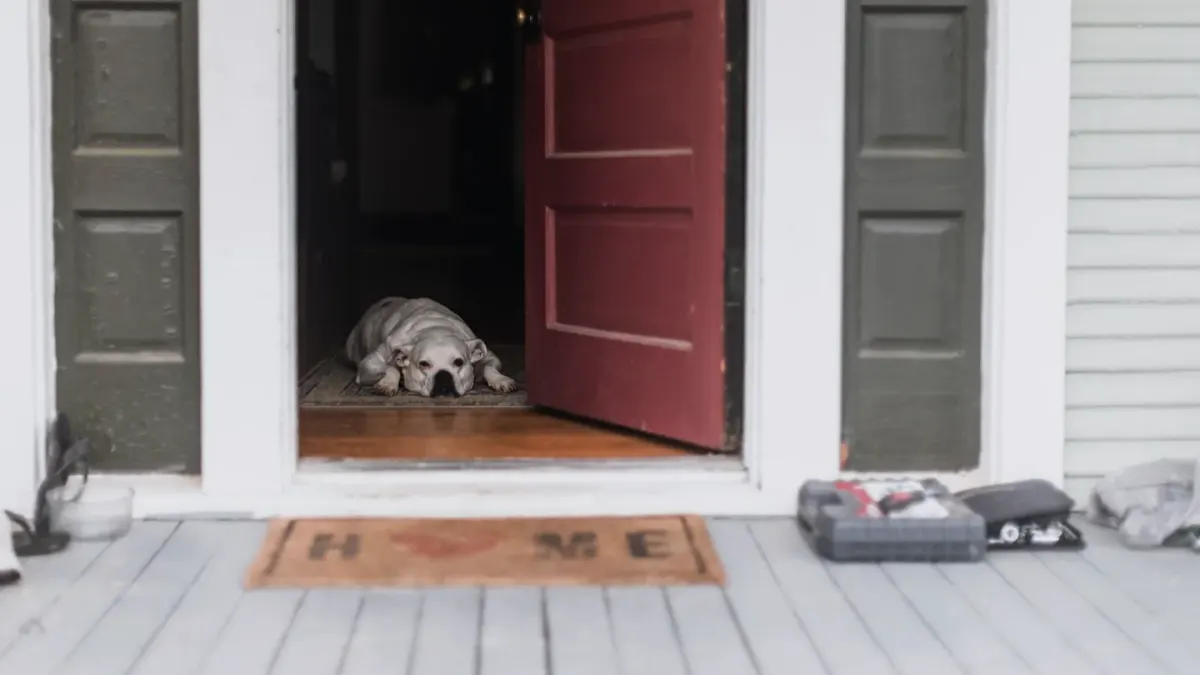
A 9-year-old Labrador, 78 pounds, hesitates at the bottom step in the morning. He shifts weight off one hind leg, takes the stairs in a bunny-hop pattern, then loosens up after five minutes of slow walking around the block. His owner asks whether boswellia serrata for canine arthritis could keep him comfortable without adding another prescription. That question is concrete and mechanical. Load hurts. Motion helps once synovial fluid warms. The supplement is only useful if it supports that mechanics problem without creating a new one.
My short checklist before I consider boswellia for an arthritic dog:
- Diagnosis is confirmed: radiographs or exam document osteoarthritis, cruciate disease, patellar luxation, or hip dysplasia, not just stiffness
- Load is managed: body condition, nail length, traction, and daily low-impact motion are already addressed
- Pain plan is clear: veterinarian has assigned an NSAID, Librela, rehab, or other primary, and boswellia would be adjunctive support only
- Product is verifiable: standardized boswellic acids, dog-specific directions, lot control, and no competing hepatotoxic or anticoagulant herbs
- Response has a stop date: measure rise time, stair time, and walk distance by day 14 and three weeks in, then keep or stop
I defend one evidence-bounded position here. Boswellia serrata is reasonable as adjunctive support for comfort and mobility in dogs with osteoarthritis, once diagnosis, weight, biomechanics, and primary pain control are set. It is not a fixation for instability, not a substitute for weight loss, and not proven to rebuild cartilage.
Why arthritic joints stiffen after rest
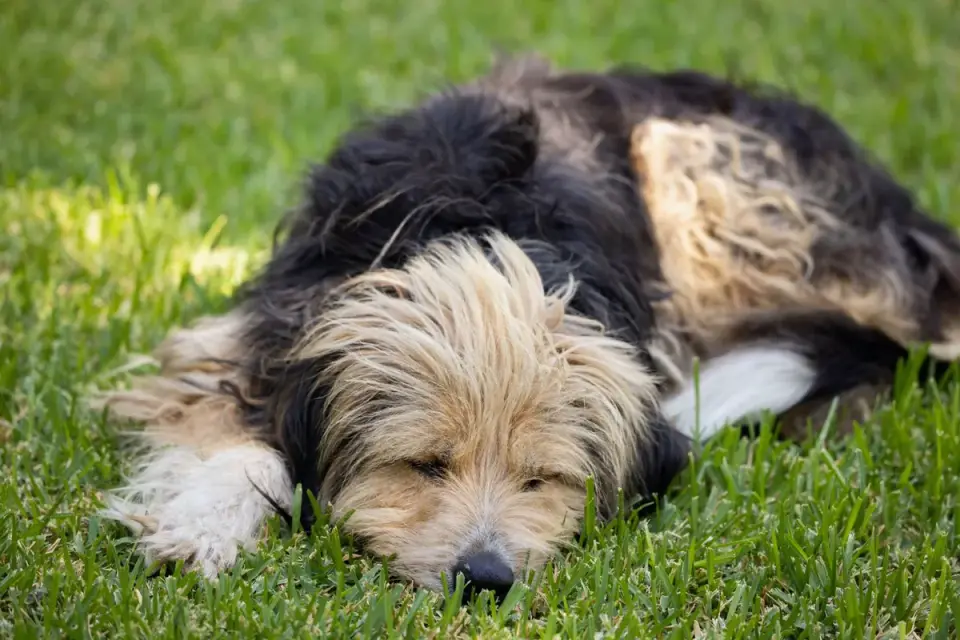
Cartilage has no blood supply. It feeds from loading and unloading that moves synovial fluid across the surface. In osteoarthritis the joint capsule thickens, synovial fluid thins, and periarticular muscle weakens. After rest the joint feels like a hinge without oil. The first dozen steps restore fluid film and the dog moves better.
That is why I frame supplements mechanically. “Glucosamine and chondroitin are among the most studied joint support ingredients for dogs.” They do not straighten a cruciate-deficient stifle or change patellar tracking. At best they provide adjunctive support for cartilage metabolism and joint environment. One laboratory line often cited notes glucosamine may “prevent experimentally induced cartilage degradation in vitro” according to the Journal of Veterinary Medical Science, which is cell work, not proof of pain relief in a pet. A newer canine line reports chondroitin “supports healthy synovial fluid homeostasis” in work published in Frontiers in Veterinary Science. Homeostasis means balance, not cure.
Green-lipped mussel is often paired with these ingredients for a similar reason. One ingredient summary notes it contains omega-3 fatty acids and glycosaminoglycans studied for joint support. Experimental context helps here. In rodents, “BMO, GMO, and KO all alleviated paw swelling in rats and reduced serum levels of rheumatoid factor (RF), anti-cyclic citrullinated peptide (anti-CCP) antibody, and pro-inflammatory cytokines such as TNF-α and IL-17” as reported in Nutrients. Rat paw data does not equal canine arthritis relief, but it explains why formulators look at marine lipids.
What boswellia serrata is actually doing
Boswellia serrata is a gum resin standardized to boswellic acids, especially AKBA. In human and laboratory literature those acids interact with 5-lipoxygenase and related inflammatory pathways. For a dog, translate that to plain language. Less inflammatory signaling around the synovium may mean less morning stiffness and easier initiation of movement. It does not tighten a loose cruciate, resurface eburnated bone, or correct angular limb biomechanics.
The middle case shows the tradeoff. An 11-year-old, 54-pound pit mix with bilateral hip osteoarthritis started a boswellia-containing chew while still overweight by six pounds. For ten days the owner reported brighter evenings and faster rising from the rug by about 20 seconds. By three weeks in the limp returned on long walks, and the dog began bunny-hopping on inclines. The failed approach was not the herb. It was load. Extra adipose tissue, weak gluteals, and a slick hallway floor overwhelmed any modest comfort effect. We kept the primary NSAID, cut calories to a measured cup, added rug runners, and prescribed five-minute leash walks twice daily plus sit-to-stand exercises. Comfort improved only after load dropped. That sequence matters more than brand choice.
If you use boswellia, use it inside that sequence. Confirm the arthritis pattern with your veterinarian. Keep the proven primary. Track function, not just attitude. For background on how marine oils and foundation ingredients fit together, see this comparison of human algae oil versus dog joint chews and this explainer on collagen versus glucosamine.
How I would trial it without fooling myself
Choose a single-variable trial. No new diet, new exercise program, and new supplement on the same day. Keep meals, walks, and medication stable for one week to get baseline. Then add one boswellia product with a clear label, standardized extract, and dog weight directions. Record three markers: seconds to rise from lying, willingness to climb six stairs, and total comfortable walk distance before sitting.
Reassess at day 10 and again at three weeks in.
Watch for soft stool, vomiting, or reduced appetite. Stop and call your veterinarian if your dog takes anticoagulants, has liver disease, is scheduled for orthopedic surgery, or is pregnant or nursing. Boswellia is not appropriate as sole therapy for acute cruciate tear, patellar luxation with locking, fracture, or septic joint. Those need fixation, reduction, or urgent care, not resin.
The edge case owners miss involves the stoic senior. A 13-year-old, 22-pound beagle mix slept through the night and seemed improved two weeks after starting boswellia. On exam his carpus showed new thickening and his gait showed shorter stride on the left fore by day 18, even though tail wags increased. Comfort behavior masked progressive biomechanical collapse. We added radiographs, adjusted the pain plan, and kept boswellia only as background adjunctive support while prioritizing joint protection, orthopedic bedding, and a ramp instead of couch jumps. The lesson lands forward. If numbers improve but mechanics worsen, believe the mechanics. For senior-specific layering, this senior joint supplement guide lays out weight, exercise, and ingredient order well.
The strongest counterargument is fair. Evidence in dogs is thin, products vary in AKBA content, and any benefit is modest next to weight loss, strength, and prescribed analgesia. I still land where I do because risk is generally low in otherwise healthy adult dogs under veterinary supervision, and morning-start stiffness is exactly the type of sign that may respond to supportive care while the primary plan does the heavy work.
Frequently asked questions
How long should I try boswellia before deciding it helps?
Use a 2 to 3 week single-variable trial. Track rise time, stair willingness, and walk distance at baseline, by day 10, and at three weeks in. If function does not change, stop and revisit the primary pain and load plan with your veterinarian.
Can boswellia replace an NSAID or Librela for arthritis?
No. Treat boswellia as adjunctive support only. Instability from cruciate disease, patellar luxation, or advanced hip osteoarthritis needs diagnosis-specific care, weight control, rehab, and veterinarian-prescribed pain control.
Sources
- Chondroitin and synovial fluid homeostasis in dogs — Frontiers in Veterinary Science
- Glucosamine and experimentally induced cartilage degradation in vitro — Journal of Veterinary Medical Science
- BMO, GMO, and KO on paw swelling and inflammatory markers in rats — Nutrients