On this page
Olivia lives in Berkeley with Edith, a 9-year-old spayed Brussels Griffon mix who has started pausing at the bottom of three front steps. Olivia wondered whether dog glucosamine chews might help support Edith’s comfort on those evening walks, and she wanted a straight answer before she bought another bag.
The walk that tells the truth
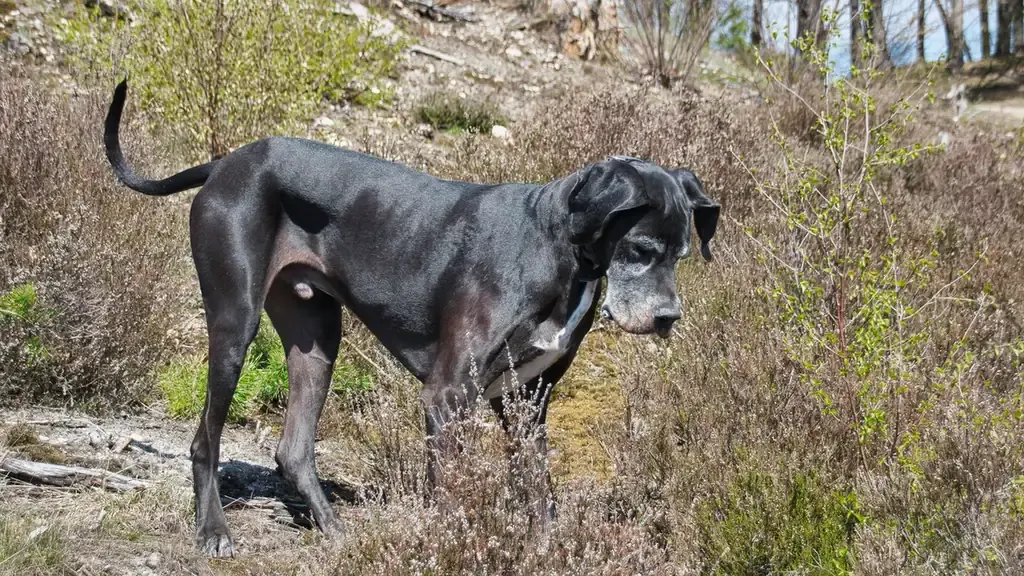
Vets often see this same scene. An older dog still wants the walk, yet the first block is stiff and the last block is slow. In practice, that pattern points more to overall joint wear and lost conditioning than to any single missing nutrient.
You learn more from watching than from a label. Note how long the warm-up takes, whether your dog climbs without coaxing, and how far you go before lagging starts. Write those baselines down for two weeks before you change anything.
That modesty matters.
What glucosamine is built to do
Reason from first principles, unhurried. Cartilage turns over slowly, and glucosamine is a building block for glycosaminoglycans that help cartilage hold water and give. A chew that supplies glucosamine may help support normal joint structure, yet it does not rebuild a worn joint the way rest rebuilds a tired muscle.
Glucosamine and chondroitin are among the most studied joint support ingredients for dogs. Most chews pair them with MSM, hyaluronic acid, or omega-3s, which is why reading the whole formula matters more than chasing one number. For context on how those parts differ, compare fish oil and glucosamine and what hyaluronic acid research shows.
Why the evidence stays mixed
Human reviews urge caution, and the dog data are thinner. The National Center for Complementary and Integrative Health summarizes decades of human osteoarthritis trials as largely disappointing for pain, with small or inconsistent effects.
The controlled dog work points the same way. A randomized, double-blind trial of glucosamine and chondroitin in dogs with osteoarthritis, indexed by the U.S. National Library of Medicine, found no clear separation from control on its primary measures. That does not mean no dog feels better. It means you should expect modest benefit at best, not transformation.
Quality adds another wrinkle. Chews vary in actual glucosamine content, palatability, and calories, and weight gain will undo any small joint gain. A broader look at what hip and joint ingredients actually do can help you keep movement, weight, and bedding in the same plan.
How to run a fair six-week trial
Pick one product with a clear label, keep food and exercise steady, and set three measures you can count. Olivia chose time to climb those three steps, distance to the corner without stopping, and willingness to rise after a nap.
Give the trial six weeks. Keep daily walks short and regular rather than long on weekends, keep nails trimmed, and keep your dog lean enough that you can feel ribs with light pressure. If night stiffness is your main worry, this account of a dog struggling with stairs at night offers a useful checklist for what else to adjust.
When to keep the chew and when to let it go
My position is simple after decades of hands-on integrative practice. Use a chew as a low-risk way that may help support balance and whole-dog wellness alongside weight control, gentle strength work, and veterinary care, then keep it only if your measures move.
A sceptical friend might ask why bother at all if the effect is small. The honest answer is that small, steady comfort still counts for a senior dog, provided the chew is palatable, affordable in calories, and easy to give. If your three measures show no change after six weeks, you have your answer and you can put that money toward physical therapy, joint-friendly flooring, or a weight plan.
You do not need certainty to act well here. You need a baseline, a fixed timeline, and the willingness to stop what does not help your dog move through daily life with more ease.
Frequently asked questions
How long should I try dog glucosamine chews before deciding?
Track three countable measures, such as stair time, walk distance, and ease of rising, for two weeks before starting and then for six steady weeks on one product.
Will glucosamine repair my dog's cartilage?
No. It may help support normal joint structure and comfort as part of a broader plan with weight control, regular movement, and veterinary care, but it does not rebuild worn cartilage.
Sources
- Glucosamine and Chondroitin for Osteoarthritis: What You Need To Know — National Center for Complementary and Integrative Health
- Randomised Double-Blind, Positive-Controlled Trial to Assess the Efficacy of Glucosamine/Chondroitin Sulfate for the Treatment of Dogs with Osteoarthritis — U.S. National Library of Medicine