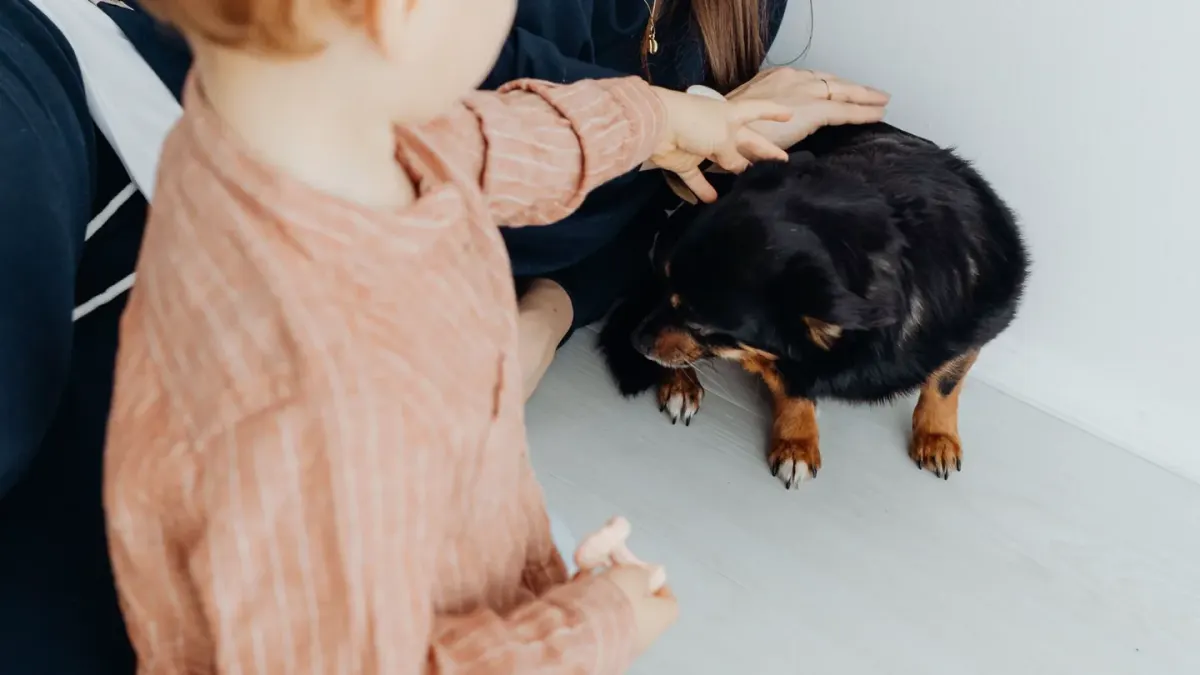
The hallway rug had become the hardest part of the day. A 13-year-old shepherd mix, gray around the muzzle, would stand at the edge of the kitchen tile and shift his weight from side to side, then take two careful steps and pause. His family had counted the slips over 14 days in January, and the number had risen from three to nine. They were not looking for tricks or fitness. They wanted steadiness for the walk to the water bowl, and a way to spend time together that did not leave him sore the next morning.
That wish is a good place to start. Slow balance games are not about building an athlete. They ask for small weight shifts, careful foot placement, and time to think. For a stiff senior, that kind of play may help support comfort and confidence, without the pounding of fetch or long walks.
When standing still feels harder than walking
Many older dogs walk fairly well once they get going, then wobble when they stop, turn, or stand to eat. Arthritis changes how joints load, and VCA Hospitals notes that stiffness, reluctance to rise, and a changed gait are common signs families notice first. Muscle loss in the hind legs makes it harder to correct a slip.
Balance play meets that problem directly. Standing on a slightly uneven surface or stepping over a low pole asks the paws, legs, and trunk to make tiny corrections. The work stays slow. The dog stays thinking. Short sessions keep fatigue from undoing the benefit.
I tried a faster route once with a stocky senior built low to the ground, a 10-year-old dog with thick elbows and a careful sit. The family had laid out couch cushions as a wobble course and lured him across three nights in a row, hoping repetition would build strength. By the fourth morning he refused the kitchen doorway, lay down after eight steps, and needed help to rise. We had asked for too much instability, too soon, with treats pulling his nose down and his weight forward. We set the cushions aside and went back to flat ground, one weight shift at a time, and his willingness to try returned within a week.
What a gentle session actually looks like
Keep the whole game under five minutes at first. Work on carpet or a yoga mat, with water nearby and a wall or couch on one side for security. Use a harness rather than a collar so you can steady, not lift, if he sways.
Start with stillness. Ask for a stand, reward calm feet, and count to three. Then shift his nose an inch to the left with a treat, so his weight rocks gently onto one side, then center, then the other side. That is one repetition. Rest. Watch his breathing and foot placement. Two or three repetitions is plenty.
When that feels easy over several days, add one low challenge at a time:
- Slow cookie stretches, nose to shoulder and nose to hip, while all four feet stay planted
- Step-overs over a broom handle resting on two books, no higher than wrist height
- Two feet on a firm, low book, front feet only, then all four feet off again
- A three-step hallway weave around two laundry baskets set wide apart
Pause the game if nails scrape, toes knuckle, the back dips, or he sits down unasked. Those are signs of fatigue, not disobedience. Senior dogs often do better with two short sessions in a day than one longer one, and the Merck Veterinary Manual reminds families that low-impact movement and healthy weight remain central to joint comfort alongside veterinary care.
The middle ground matters here. I favor flat-ground weight shifts before any wobble surface, because they teach control without forcing a correction. The reason to choose differently would be boredom. Some bright old dogs check out when the task feels too still. In that case a very firm pillow or folded bath mat can add interest, but I still keep sessions shorter and keep a hand at the harness. Novelty should never cost soreness the next day.
Some dogs need the usual plan to bend. A 15-year-old small dog I followed, only 11 pounds, with cloudy eyes and thin hind legs, could not stand on mats for more than 20 seconds before trembling. The family worried stillness meant failure. We changed the shape of play. Instead of standing games, we laid a 12-foot trail of kibble in a wide, slow curve across the living room rug, so she walked, sniffed, paused, and turned at her own pace. She completed the trail twice each evening, and over three weeks her pauses to steady herself dropped from six to two per trail. The balance work was still there, in the turn and the head lift, just folded inside a walk she already loved.
How to know the play is helping
Look for quiet markers over two to three weeks. Rising from a bed in fewer attempts. Less splaying on tile. A calmer turn on walks. Keep notes in the same place, same surface, same time of day. Video from the side once a week can show what memory misses.
For more on the joint side of steadiness, families often find it useful to read Dog Hip and Joint Supplements: What the Ingredients Actually Do (And What Movement Adds) and Fish Oil vs Glucosamine for Dog Joint Health: What Each Actually Does. If nights on stairs are the trouble spot, Glucosamine for a Dog Struggling With Stairs at Night: What Actually Helps walks through that narrower question. Movement and nutrition work best as partners, not substitutes.
Stop and call your veterinarian if limping worsens, a leg gives way, swelling appears, or soreness lasts beyond the next morning. Dogs with neurologic signs, recent surgery, unstable heart disease, or severe weakness need an exam before balance work. Pain medication, joint support, and physical rehabilitation can make play safer, and your veterinary team can help set limits for your dog.
Your next step is small. Tonight, lay a mat near his bed, ask for a quiet stand, and practice one slow nose shift to each side. Reward, rest, and end while he still wants more. Steadiness grows the way comfort grows, one careful repetition at a time.
Frequently asked questions
How long should a balance session last for a senior dog?
Start with three to five minutes on a non-slip surface, with rests between repetitions. End while your dog is still comfortable, and ask your veterinarian if fatigue or next-day soreness appears.
What surfaces are safest for slow balance games?
Carpet, a yoga mat, or a rug with a wall nearby for security. Save foam pads or wobble boards for later, if your veterinarian agrees they fit your dog.
Sources
- Arthritis in Dogs — VCA Hospitals