On this page
Health checks that matter most track joints, skin, weight and teeth before small changes turn costly.
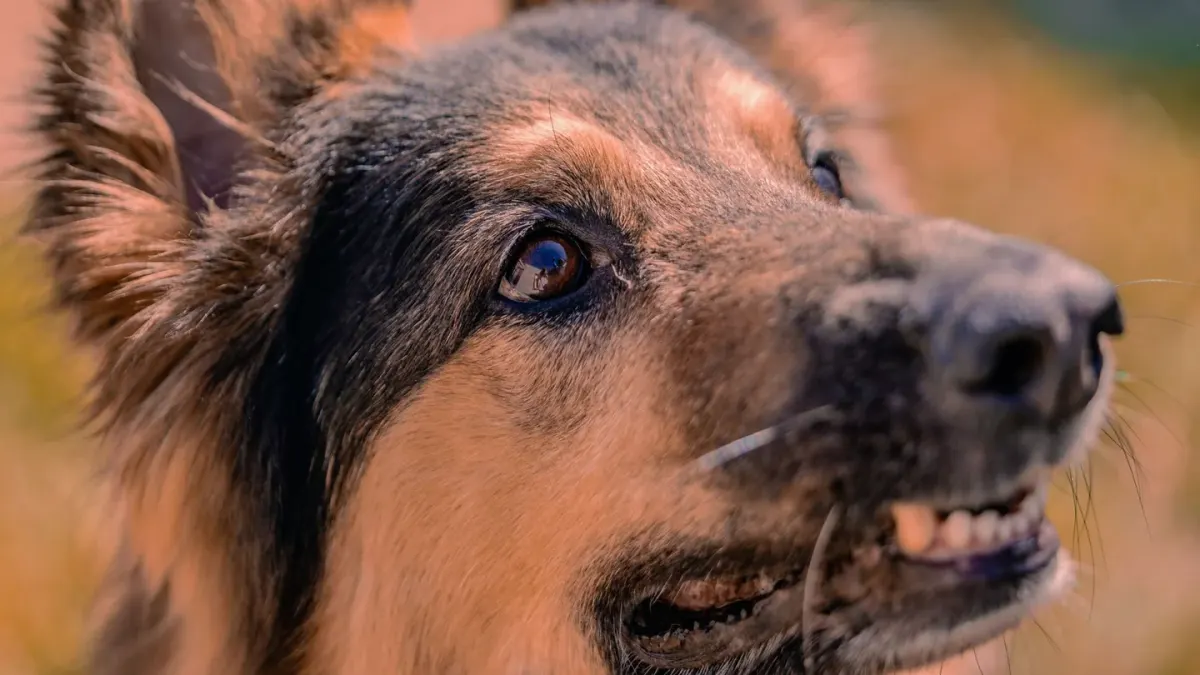
I met him on a damp October morning, a 4-year-old German Shepherd, 86 pounds, pacing the exam room and panting through a thick undercoat that had not fully shed out. His owner worried about slowing on stairs. Hands on hips told part of the story, but the baseline told more: body condition score 7 of 9, dull coat with trapped undercoat along the rump, tartar at the upper canines, and a shortened stride behind after rest. We mapped a plan that day. Check hips and elbows with records, not guesses. Part the coat to the skin weekly. Weigh monthly. Look at teeth and ears on schedule. That one visit set the pattern I still counsel for every double-coated herding dog.
Start with movement, not just the coat
Watch the dog rise after a nap. Note stiffness, bunny-hopping, reluctance to jump into the car, or shifting weight forward off the hind legs. Film a 30-second walk and trot from the side and behind. Bring that video to the visit.
Ask for an orthopedic exam yearly, earlier if you see lameness. Discuss when radiographs make sense for your dog, and keep copies of results. Breed screening data tracked by the Orthopedic Foundation for Animals show why hips and elbows deserve early attention in German Shepherds, and the breed profile maintained by the American Kennel Club flags the same working-breed load on joints. Set a baseline at 1 to 2 years. Recheck if behavior changes.
Keep weight lean. Feel ribs with light pressure. Look for a waist from above and a tuck from the side. Log weight on the same scale monthly. Adjust food by condition, not by the bag chart alone. Strong counterargument I hear often is that a heavier Shepherd looks healthier and more substantial. I still land on lean, because extra pounds raise joint load every single day and hide early lameness until damage is harder to reverse.
Brush down to skin, then check what the brush finds
Line-brush in sections. Lift, part to skin, brush out loose undercoat, move forward. Work neck, behind ears, armpits, britches, and tail base. Use an undercoat rake gently and a slicker for finish. Stop if skin reddens.
Look for what brushing reveals. Part the coat and check for flakes, grease, hot spots, black debris, odor, or thinning patches. Sniff ears for sweet or sour odor. Lift ear flaps and note redness or discharge. Trim nails every 2 to 4 weeks so foot placement stays normal. Bathe only when dirty, rinse fully, and dry the dense undercoat completely.
She was a 6-year-old, 72-pound herding mix who came in itchy every August, and for three weeks in late summer her owner had bathed her twice weekly and brushed only the topcoat. By day 18 the outer coat looked smooth but the undercoat near the hips felt matted and damp, with a raw hot spot the size of a quarter hidden underneath. Less bathing, full drying, daily line-brushing to skin, and a timed vet recheck calmed it faster than another shampoo swap. The tradeoff was real: more hands-on coat time each evening, fewer crisis visits later. That is the preventive math I want owners to expect.
Eyes, teeth, and the quiet vital signs
Look at eyes in daylight monthly. Note cloudiness, redness, squinting, tearing, or bumping into furniture at dusk. Ask your veterinarian about screening intervals for inherited eye conditions common in herding breeds. Report vision changes quickly rather than waiting for the annual exam.
Check teeth the way dental guidance describes it. Lift lips weekly. Look for red gums, yellow-brown tartar, broken teeth, bad breath, pawing at the mouth, or dropping food. Brush with dog toothpaste when your dog accepts handling. Offer Veterinary Oral Health Council-accepted chew options if appropriate. Dental care guidance from the American Veterinary Medical Association outlines why regular home checks plus professional assessment may help support long-term oral health. If you use joint or skin supplements, choose products with quality controls and discuss dose and interactions with your veterinarian; the quality program described by the National Animal Supplement Council is one practical screen I point clients toward.
He was 9 years old, 78 pounds, a retired herding dog who still tried to patrol the fence line, and his owner assumed slowing down was just age. Bloodwork at his senior visit showed stable kidneys but a creeping weight gain of 5 pounds over six months, plus worn canines and early hind-muscle loss that changed how we applied every other check. We shortened walks but added hill-free sniff outings, raised food bowls slightly, added rugs over slick floors, and moved rechecks to every six months. Herding drive can mask pain, so in seniors I trust measured muscle, weight trends, and home video more than enthusiasm.
Where I land on the yearly rhythm
Run this order. Movement video and hands-on joint check. Weight, score, and food review. Skin, coat, ears, and nails. Eyes and teeth. Behavior notes on thirst, energy, stool, and heat tolerance. Bring prior radiographs, lab work, and a one-page change list.
Link behavior to breed needs, not just body. These dogs were selected to move and problem-solve, and frustration can look like hyperactivity or nipping at heels. For context on channeling that drive at home, see Understanding Herding-Breed Instincts in a Family Home and, if space is tight, Making Apartment Life Work With a Large-Breed Dog. Keep handling low-stress. Short sessions. Treats for cooperation. Stop before the dog quits.
Book the next check before you leave. Prevention works on timelines, not promises.
Frequently asked questions
How often should I weigh a double-coated herding dog?
Weigh monthly on the same scale and track body condition score. Report a gain or loss of more than 5% over 8 to 12 weeks, or any change with lethargy, thirst, or lameness.
What coat signs need a prompt vet visit?
Book promptly for hot spots, spreading redness, odor, draining ears, sudden thinning, or itching that disrupts sleep. Bring notes on onset, diet changes, and flea prevention dates.
When should hips and elbows be evaluated?
Ask your veterinarian about a baseline orthopedic exam and radiograph timing, often around 1 to 2 years, then yearly movement checks. Bring video of rising, walking, and stair use if you see stiffness.
Sources
- German Shepherd Dog Breed Profile — American Kennel Club
- Orthopedic Foundation for Animals — Orthopedic Foundation for Animals
- Pet Dental Care — American Veterinary Medical Association
- National Animal Supplement Council — National Animal Supplement Council