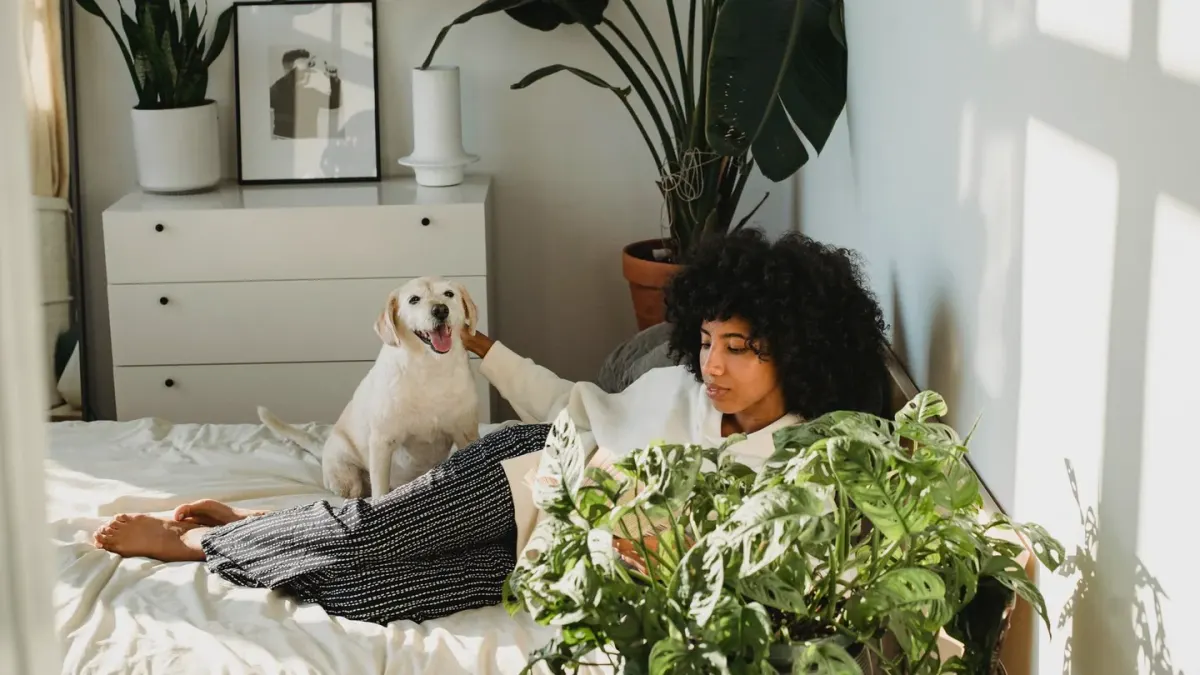
It is easy to stand at the back door on a cold night and wonder if the wooden house in the yard is enough, especially when your dog looks settled in the straw and you want to believe he is comfortable.
That worry makes sense. A dog house does block wind and rain, and for a brief rest on a mild day it can be a cozy shelter. It does not hold steady warmth in freezing weather, and it does not stay cool in summer heat. For comfort and safety, it should never replace bringing a dog indoors when temperatures turn extreme.
Why a wooden box loses heat so fast
A typical outdoor dog house has thin walls, a large doorway, and no insulation. Body heat escapes quickly through that opening and through the floor, while damp bedding pulls more warmth from the skin.
Small, short-coated, very young, senior, and arthritic dogs lose heat faster and have less reserve. The American Veterinary Medical Association notes that cold tolerance varies by coat, size, age, and health, and advises keeping pets inside during freezing temperatures and watching for shivering, weakness, and cold ears or paws.
Bryan in Lewisville, Texas, learned the summer side of this with Chacha, his 10-year-old spayed female Staffordshire Bull Terrier. She liked to nap outside for about 20 minutes in the morning, but when afternoon heat settled over the yard she panted hard and sought the tile floor inside. Shade from the house roof did not change the hot, still air inside her shelter.
Cold, heat, and the limits in between
In winter, risks include hypothermia and frostbite, made worse by wind, wet bedding, frozen water, and drafts under a raised floor. A flap door and dry straw help a little, yet the inside temperature still tracks close to the outside air.
In summer, the same small space traps heat and humidity. Dogs cool mainly by panting, and a low, poorly vented house can feel hotter than open shade. The U.S. Centers for Disease Control and Prevention describes how heat illness progresses from heavy sweating and weakness toward confusion and collapse in people, and dogs follow a similar path with heavy panting, drooling, unsteady steps, and collapse.
A dog house works best only for short, supervised use on mild days.
What to set up if your dog rests outside by day
If your dog spends brief time outside, place the house on a dry, raised platform with the doorway turned away from prevailing wind. Offer fresh water that cannot freeze or tip, and check it often.
Use a flat, washable pad rather than deep blankets that hold moisture, and replace damp straw promptly. Size matters: the house should allow a full turn and a curled rest, without so much extra air space that body heat disappears.
For thick-coated breeds spending time at home in summer, the same principle applies: shade, airflow, and cool indoor rest matter more than any single shelter, as discussed in How to Keep a Husky Cool at Home During Summer. Appetite and water needs may also shift with the season, which is why Does Your Dog Need Less Food in Hot Weather? can help you read those small changes.
The line where inside is the only kind choice
Bring your dog inside when temperatures fall near freezing, when wind chill is sharp, when it rains steadily, and during any heat advisory. Seniors, puppies, lean or short-coated dogs, and dogs with heart, breathing, or joint disease should come in sooner.
Vets often see families wait because the dog “chose” to stay out. Choice in the moment does not equal safety through the night. Gabriel in Naperville, Illinois, watched this with Chuey, his 9-year-old neutered male Poodle mix, who curled quietly in his outdoor shelter for two hours one November afternoon and then shivered for several minutes after coming in. Quiet tolerance was not comfort.
Watch for shivering that does not ease, curling tight with tucked paws, reluctance to move, pale or cold ear tips, heavy panting that does not settle, thick drool, vomiting, or wobbliness. Any of those signs means end outdoor time and call your veterinarian for guidance.
Comfort, especially for an aging dog, is a warm, dry room, soft bedding, water close by, and your presence nearby. A dog house can support a mild afternoon. It cannot carry the weight of extreme weather.
Frequently asked questions
Can a dog sleep in an outdoor dog house in winter?
It is not safe as a routine plan. The house tracks outdoor temperature, bedding dampens, and seniors and small or short-coated dogs can become cold quickly. Bring dogs inside for overnight cold and freezing wind.
Does a dog house stay cool enough in summer?
Usually not. The small space can trap heat and limit airflow. Offer open shade, fresh water, and indoor rest during hot or humid weather, and watch for heavy panting or unsteady movement.
Sources
- Cold-Weather Animal Safety — American Veterinary Medical Association
- About Heat and Health — U.S. Centers for Disease Control and Prevention