On this page
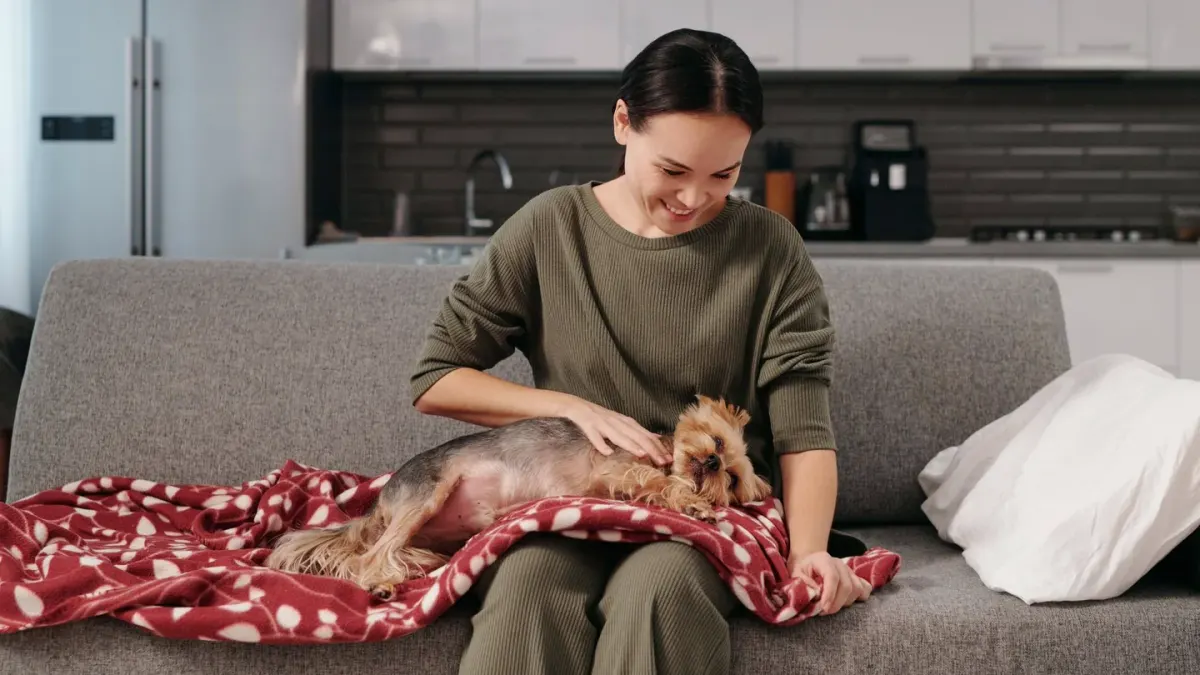
A woman brought in a 4-year-old Yorkshire Terrier named Pixie for a limp that came and went — a little skip in the back leg, gone in a few steps, back again an hour later. She’d assumed it was nothing, maybe a pulled muscle from jumping off the bed. It wasn’t a pulled muscle. It was a grade 2 luxating patella, and once I showed her how to feel the kneecap slide, she understood why her sister’s Maltese never did that but had needed steroids twice for unexplained full-body tremors at age two. Two small white-ish dogs, two completely different bodies to plan around. That’s the real question behind “yorkie vs maltese” — not which one is cuter, but which set of risks and routines you’re actually prepared to live with.
What each breed is actually built for
Yorkshire Terriers were bred as ratters in English mill towns — small, wiry, confident dogs meant to work. Maltese are older still, an ancient Mediterranean lapdog with essentially no working history; their entire job was companionship. That history still shows up in temperament. Yorkies tend to run a little more terrier-bold — quick to bark, quick to chase, opinionated about strangers. Maltese are typically gentler and more velcro, happiest glued to one person’s lap. Neither is “better behaved” in absolute terms; they’re just wired for different jobs, and a lot of the behavior owners report tracks cleanly with that split.
The coat difference is bigger than it looks
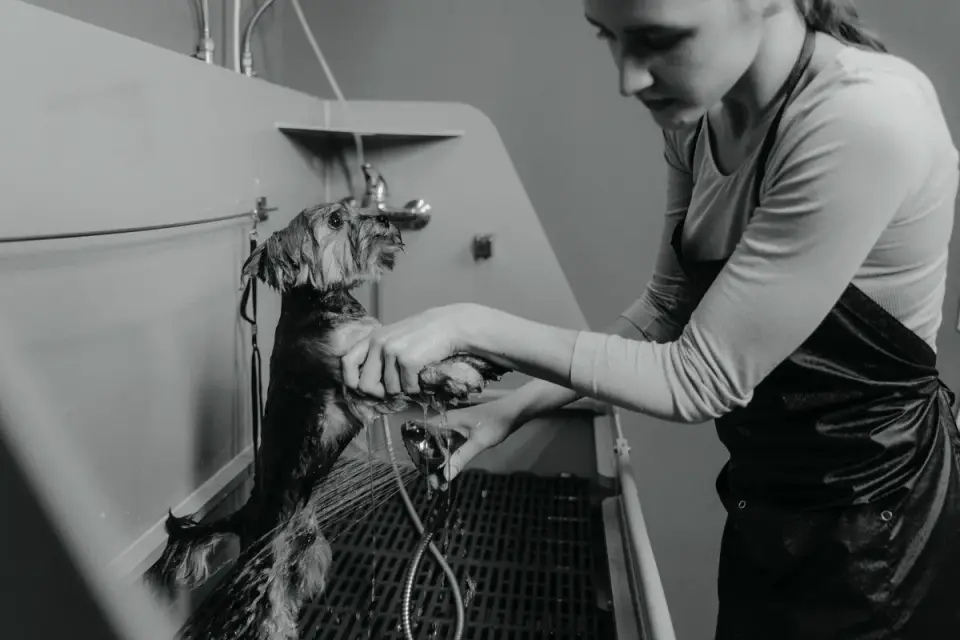
Both breeds carry hair, not fur, which is why both get marketed as lower-shedding options. But the coats behave differently day to day. Yorkie coats are fine and silky and mat less aggressively if brushed every couple of days; many owners keep them in a short “puppy cut” specifically to cut grooming time. Maltese coats are longer, denser, and mat fast around the ears, armpits, and hindquarters — skip more than three or four days and you’re often looking at a comb-out session, not a quick brush. If you’re not committing to either regular home brushing or a 4-to-6-week groomer schedule, that’s worth knowing before you pick a coat, not after.
The health risks worth actually screening for
This is where I get direct with clients, because “small dog, probably fine” is not a real plan. Luxating patella — the kneecap sliding out of its groove — is unusually common in Yorkies specifically. Survey data cited by Cornell University College of Veterinary Medicine puts Yorkshire Terriers among the breeds with the highest prevalence, with some estimates near a quarter of the breed affected, and it ranges from occasional slipping (grade 1) to a permanently displaced kneecap (grade 4) that needs surgical correction. Ask your vet to check the patella at every wellness visit, not just when you notice a limp.
Maltese carry a different signature risk: white dog shaker syndrome, also called idiopathic generalized tremor syndrome. VCA Animal Hospitals describes it as full-body tremors that typically start between one and two years of age, most common in small white-coated breeds, thought to involve mild inflammation of the cerebellum. It responds well to corticosteroids and most dogs recover fully — but it’s frightening the first time you see it, and it’s genuinely a Maltese-associated risk in a way it isn’t for Yorkies.
Both breeds share the toy-dog dental burden. A large-scale analysis referenced by WALTHAM found extra-small dogs under about 6.5kg were up to five times more likely to be diagnosed with periodontal disease than dogs over 25kg, largely because small mouths pack in proportionally large teeth with less supporting bone. If you own either breed, daily brushing or a vet-recommended dental routine isn’t optional — it’s the single most preventable problem on this list.
I’ve watched this play out with a client’s 6-year-old Maltese, Gigi, twelve pounds and otherwise healthy, who came in for a routine cleaning and needed four extractions the vet hadn’t expected from the outside exam. The owner had been meaning to start brushing “once things settled down” for two years. Things never settle down. That visit cost more than a year of toothbrushes would have, and it’s the pattern I see most often in both breeds — owners underestimating how fast small-mouth plaque turns into bone loss.
Where I land, and the counterargument
If a client asks me to pick blind, I lean Yorkie for a first-time toy-breed owner who wants a dog with a bit more independence and doesn’t mind a shorter, lower-maintenance coat — provided they commit to patella checks. I lean Maltese for someone who wants a dog that’s calmer around the house and doesn’t mind a real grooming schedule. The counterargument I hear most is that temperament varies so much by individual and breeder that breed averages don’t matter much — and that’s fair up to a point. But the orthopedic and neurologic risk patterns aren’t personality, they’re anatomy and genetics, and those don’t average out the same way behavior does.
Neither breed is a great fit for households that can’t manage stairs, jumping off furniture, or off-leash time near bigger dogs — both are small enough to be genuinely injured in ways a Labrador wouldn’t be. If you’re comparing toy breeds against a more apartment-friendly or first-timer-friendly option generally, it’s worth reading through Best Dog Breeds for Apartment Living: What Actually Matters and Best Dog Breeds for First-Time Owners: What Actually Predicts Success before committing to either. And if allergies are part of your decision — a common reason people land on both these breeds — Best Hypoallergenic Dog Breeds for Allergy Sufferers: What the Science Actually Supports covers what a lower-shedding coat actually buys you, which is less than most owners expect.
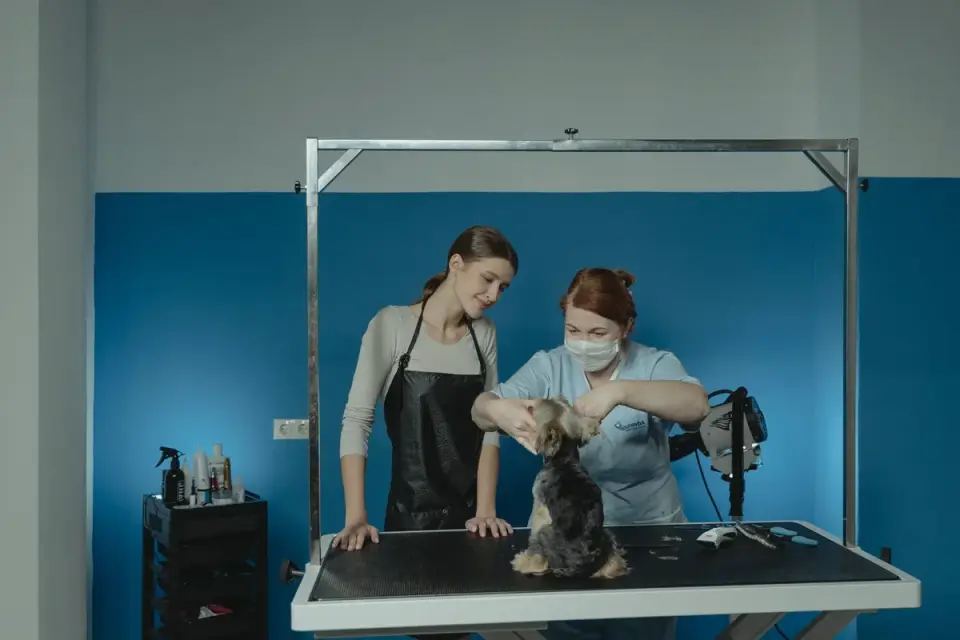
The last dog I saw for this comparison wasn’t Pixie or Gigi — it was a family bringing home their first Yorkie puppy, eight weeks old, four pounds, and asking whether to expect the same tremor issue their neighbor’s Maltese had. I told them no, that’s not their breed’s pattern, but the knees are, and we set a recheck for six months out specifically to feel for early laxity. That’s the honest version of this comparison: not “which is better” but “which risk are you signing up to watch for,” and building your vet visits around the answer.
Bottom line: Yorkies trade a shorter grooming routine for a real orthopedic risk (luxating patella) worth screening early; Maltese trade a heavier coat-care schedule for a neurologic risk (shaker syndrome) that’s scary but usually very treatable — and both breeds demand serious dental commitment regardless of which one you choose.
Frequently asked questions
Are Yorkies or Maltese more hypoallergenic?
Both are low-shedding, hair-coated breeds often marketed as allergy-friendly, but neither is truly hypoallergenic — allergen exposure depends more on individual dog and home management than breed choice.
Which breed is easier for a first-time toy-dog owner?
Yorkies generally need less grooming time but carry a higher risk of luxating patella; Maltese need more frequent brushing but are often calmer indoors. Neither is objectively "easier" — it depends on which routine you can sustain.
Do both breeds need dental care beyond a normal dog?
Yes. Toy breeds under about 6.5kg face up to five times the periodontal disease risk of large dogs, so daily brushing or a vet-guided dental plan matters more for Yorkies and Maltese than for most bigger breeds.
Sources
- Patellar Luxation — Cornell University College of Veterinary Medicine
- Shaker Syndrome in Dogs — VCA Animal Hospitals
- Small dog breeds at highest risk for dental disease, largest study confirms — WALTHAM