On this page
Ricky adopted Lia, a 10-year-old spayed female Basenji in Oxnard, California, after her previous owner surrendered her for escaping the yard three times in one month. In practice, vets often see this pattern with the breed: an athletic, bright dog who scales a 6-foot fence, grooms like a cat, and then stares blankly when called. A common question is whether basenji dog characteristics add up to a low-maintenance, quiet companion.
They do not. They add up to a specialized companion.
The quiet dog that is not calm
Basenjis do not bark like most breeds. Their larynx shape and vocal behavior produce the famous yodel-like baroo instead of a sustained bark, which the American Kennel Club describes in its breed standard alongside erect ears, curled tail, and smooth, short coat.
Quiet does not mean low arousal. The breed was developed in central Africa as a sight-and-scent hunting dog that flushes small game into nets and works at a distance from people. That history selected for quick visual scanning, explosive sprinting, and independent decision-making. Lia still freezes on the sidewalk when a squirrel moves 40 feet away, then lunges with full-body commitment.
Owners who expect a relaxed apartment dog because the breed is silent often get the opposite: whines, yodels, chewing, and pacing when mental and physical needs go unmet. For households weighing noise against activity, our guide to Best Dog Breeds for Apartment Living: What Actually Matters explains why energy and escape behavior matter more than size or bark volume.
Independence runs deeper than stubbornness
Basenjis bond closely, but they do not work for praise the way retrievers or shepherds do. Learning theory still applies, yet motivation is different. Food, chase, and sniffing usually outrank verbal approval, and repeated drilling tends to erode cooperation rather than build it.
That independence has a physiological basis. Primitive and sighthound-type breeds show stronger orienting responses to movement and weaker sustained attention to human cues in comparative behavior work. In plain terms, the environment is more salient than the handler. Training may help support recall and loose-leash skills, but it rarely creates an eager-to-please default.
Short, reward-based sessions work best. Keep it preventive: three to five minute repetitions, high-value food rewards, secure long-line practice, and an end before frustration. Punishment-based tools tend to increase avoidance without improving reliability. This is one reason our review of Best Dog Breeds for First-Time Owners: What Actually Predicts Success puts biddability and error-forgiveness ahead of intelligence.
This paragraph matters.
Expect negotiation, not obedience for its own sake.
A body built for the chase
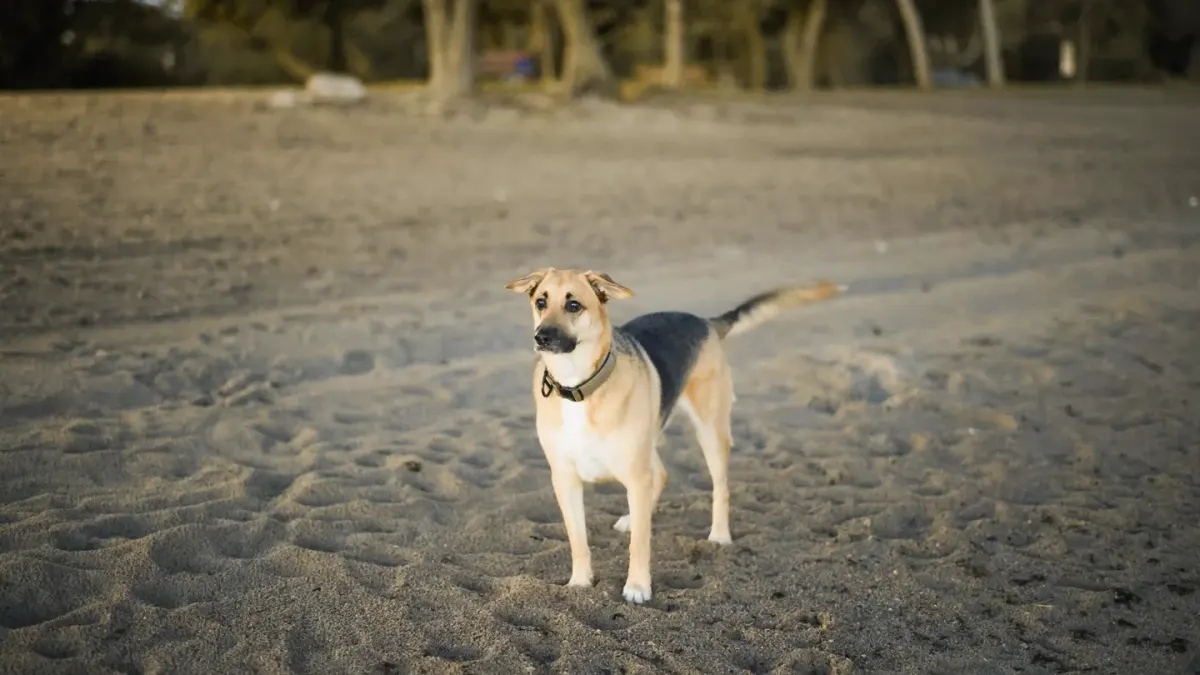
Most adults stand 16 to 17 inches and weigh 22 to 24 pounds, with lean muscle, long legs, and keen vision that suit sprinting and coursing. The VCA Animal Hospitals breed profile notes the same athletic build, short low-maintenance coat, and strong need for daily exercise and containment.
Grooming is genuinely easy. Basenjis shed lightly, have little dog odor, and self-groom fastidiously. Many owners bathe only every few months unless the dog rolls in something. That cat-like habit is real, but it does not translate into a low-care dog overall.
Containment and health screening need more attention than coat care. Secure fencing, locked gates, and leash-only walks outside fenced areas are baseline, not optional. The Basenji Club of America emphasizes responsible ownership around escape risk and recommends health testing relevant to the breed, including for Fanconi syndrome, progressive retinal atrophy, and hip evaluation. Ask for documented screening before committing to a puppy, and schedule a preventive baseline exam early for any rescue.
Where the mismatch usually shows
Basenjis can thrive with experienced owners who want a clean, athletic, observant house dog and accept firm limits: no off-leash freedom in open areas, no unsupervised time with small prey animals, and patient training built on management first.
They struggle when the household expects typical companion-dog behavior. That includes off-leash hikes, easy dog-park play, reliable recall around squirrels, or cheerful tolerance of rough handling by young children. Prey drive is not a training gap to fix in a weekend. It is a stable trait.
I would change this recommendation if controlled data showed pet-line Basenjis had reliably low prey drive and high handler responsiveness across homes. Current breed history, club guidance, and clinical behavior patterns do not show that. The current evidence points the other way.
For a first-time owner who wants predictability, choose a breed selected for close cooperation and forgiveness of handling errors. For an owner who values independence, quiet cleanliness, and athleticism — and can provide structure, containment, and daily outlets — the Basenji makes sense. Expectation first, then breed.
Frequently asked questions
Do Basenjis bark?
Rarely in the typical way. Most make a yodel-like baroo, plus whines and growls, but they are not silent when bored or excited.
Are Basenjis good for first-time owners?
Usually no. Independence and high prey drive make recall and off-leash safety harder than with eager-to-please breeds.
Are Basenjis hypoallergenic?
No dog is truly hypoallergenic. Basenjis shed lightly and groom often, which some allergy sufferers prefer, but dander and saliva allergens remain.
Can Basenjis live with cats?
It is risky. Many chase small animals by instinct. Success requires early socialization, strict management, and often still fails with unfamiliar pets.
Sources
- Basenji Dog Breed Information — American Kennel Club
- Basenji Club of America — Basenji Club of America