On this page
A Border Collie Australian Shepherd mix puppy will read your routine faster than you expect, then ask for more to do by 9 weeks. Check yourself against this list before you commit:
- Time: 1–2 hours daily for exercise plus short training reps and enrichment, not one long weekend hike.
- Training plan: calm settle, recall, and loose-leash skills from week one, with socialization paired with rest.
- Space and schedule: fenced area or safe field access, plus someone home for midday breaks through at least 4–6 months.
- Coat and health baseline: weekly brushing, weight checks, and a vet plan for hips, eyes, and hearing screening.
- Job: herding sports, nose work, obedience, or structured fetch-search games most days.
If two or more feel unrealistic right now, pause. These puppies do best when the plan comes before the puppy.
Two herding histories in one puppy
Both parent breeds were selected to work all day with people. The American Kennel Club describes the Border Collie as energetic, smart, and responsive to direction, while the Australian Shepherd Club of America describes the Aussie as a strong, agile ranch dog that needs a job.
That mix often produces a puppy that learns fast, moves constantly, and notices motion. Expect staring, stalking, circling, and nipping at heels. That is herding behavior, not disobedience.
Vets often see owners surprised at 4–5 months when the puppy stops just following and starts controlling movement. In practice, early guidance matters more than extra miles.
What the first year tends to look like
Weeks 8–12 bring rapid learning and short stamina. Keep outings brief, reward calm, and protect sleep. Puppies at this age may play hard for 15 minutes, then need 1–2 hours of rest.
Months 4–8 bring teeth, confidence, and testing. Recall gets selective. Barking and chasing increase. This is the window to practice training in new places with low pressure, then leave before excitement spikes.
Months 8–14 bring adolescence. Skills look forgotten. Exercise needs peak while joints are still maturing. Avoid repetitive impact like long runs on pavement or constant ball jumps. Build off-switch routines instead.
You cannot tire out this mix into calmness.
That single sentence changes most plans. Rest is trained.
Exercise plus mental work, in the right ratio
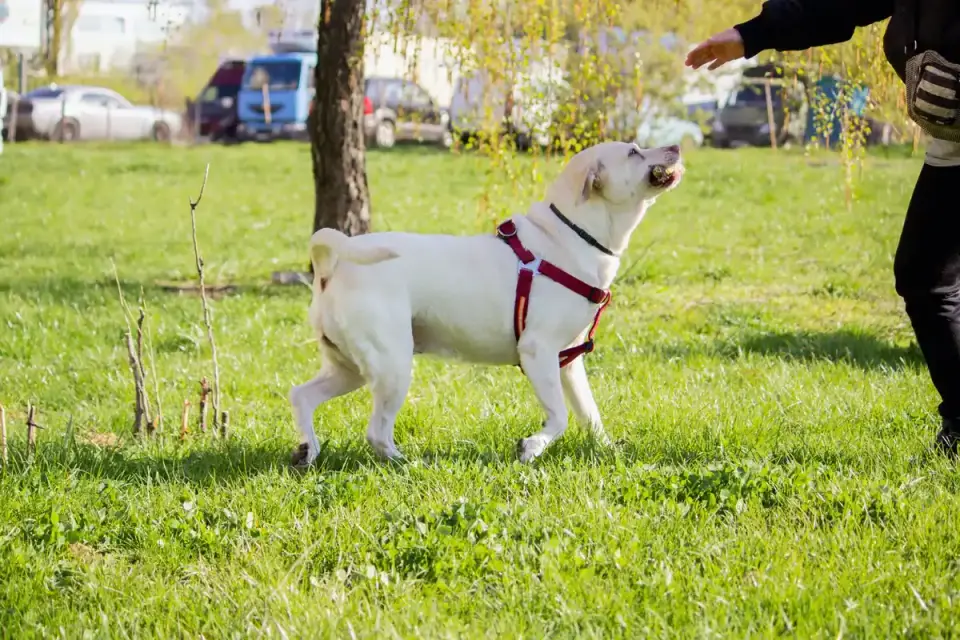
Plan for a mix, not just mileage. A useful baseline for many healthy adolescents is 60–90 minutes of active time spread across the day, plus two 5-minute training sessions and one enrichment task like a snuffle box or scatter feed.
Trade-off to name honestly: physical exercise builds fitness fast. Mental work builds regulation. If you only add distance, you often get a fitter puppy that needs even more distance.
Try herding-legal outlets: controlled fetch with a settle between throws, directed search games, beginner agility foundations, rally, or farm-dog manners classes. Rotate them. Repetition without variety creates anticipation barking in this mix.
For households comparing other high-drive working breeds, this German Shepherd vs Belgian Malinois guide shows how job and intensity shift daily life, and this Border Collie vs Australian Shepherd comparison breaks down where each parent breed differs.
Training and socialization that may help support calm behavior
Start with structure and predictable cues. Sit for doors, place on a mat during meals, and recall to a touch target. Keep sessions short and end with success.
Socialization means exposure with recovery. The VCA Hospitals approach emphasizes positive, graded exposure during the early socialization period, paired with vaccines and veterinary guidance on safe settings.
Do not flood a sensitive puppy with dog parks, festivals, and long car rides in one week. One new surface, sound, or calm dog at a time works better. Watch body language. Loose body and quick recovery mean continue. Tucked tail, freezing, or bark-lunge mean add distance.
If nipping or herding of kids is happening, manage with gates and leashes first. Training may help support self-control, but management prevents rehearsal while learning catches up.
Coat, health baseline, and vet visits
Expect medium to long double coat with seasonal shedding. Weekly brushing may help support coat health and reduce mats behind ears and on hind feathering. Check nails every 2–3 weeks.
Ask your vet about a preventive baseline: growth and weight tracking, hip and elbow evaluation timing, eye exams, and hearing assessment if pigment is largely white around ears. Mixed breed does not mean low risk when both parents share similar risks.
First-time owners often underestimate adolescence in herding mixes. This first-time owner guide explains what actually predicts success, and this apartment living guide is honest about space limits for high-energy dogs.
Keep timelines realistic. Coat, focus, and settle often improve after 18–24 months with consistent work. Preventive care is steady, not dramatic.
Where this mix shines, and where it stops winning
This mix shines with an owner who likes teaching and stays consistent. Obedience, trick training, hiking with manners, and dog sports fit well. They bond closely and want to work with one person.
It stops winning in homes that need a naturally calm, low-exercise puppy, or where no one is available midday. Long alone hours plus underemployment often lead to barking, chewing, fence running, and herding guests.
That is not a flaw. It is a mismatch.
If you want the energy but need clearer boundaries, choose the breeder or rescue that proves off-switch behavior in parent dogs, not just titles. Ask what a normal Tuesday looks like. Ask how puppies rest. Then build that same rhythm at home.
Frequently asked questions
How much exercise does a Border Collie Australian Shepherd mix puppy need?
Most need spread-out activity plus training and enrichment, often 60-90 minutes of active time daily by adolescence, with rest trained deliberately. Your vet can adjust for growth and joints.
Are they good for first-time owners?
They can work for a committed first-time owner with time, coaching, and a training class, but they are demanding. Low time or no training support is a poor match.
Do they shed a lot?
Yes. Expect year-round shedding with heavier seasonal periods and weekly brushing to limit mats.
Sources
- Border Collie Dog Breed Information — American Kennel Club