On this page
Some dogs refuse fish oil poured over kibble because rancid smell, oily texture, and bad timing turn them away.
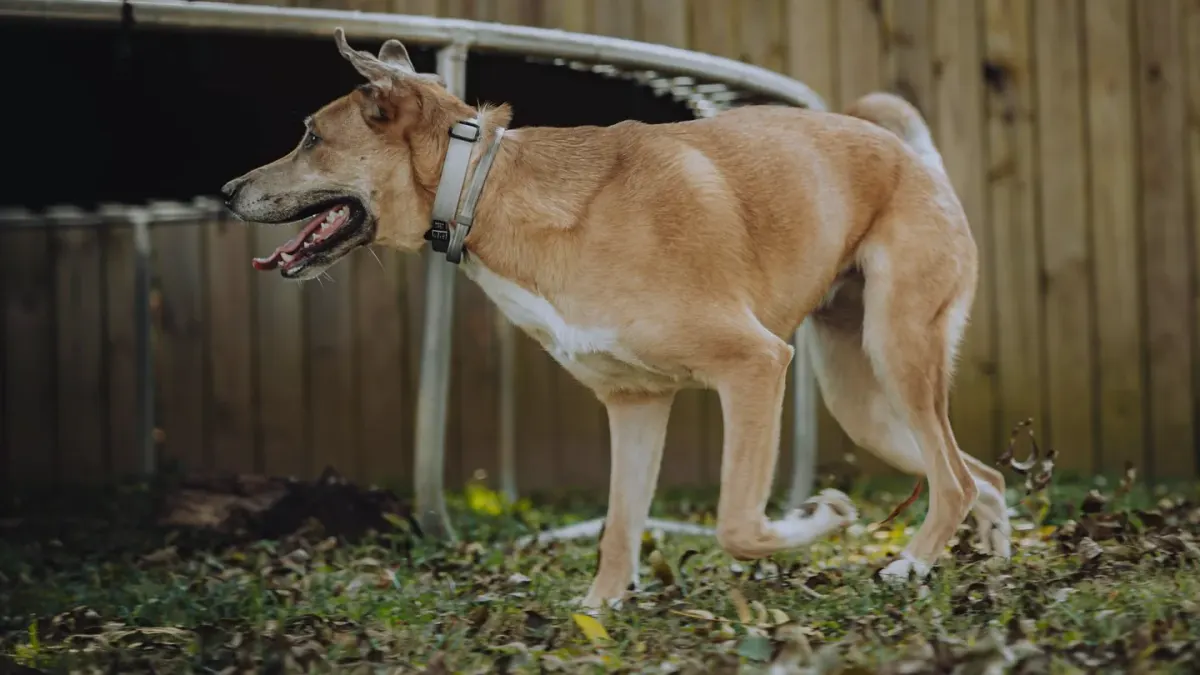
A 13-year-old cattle-dog type, stiff through the hips in the morning, started leaving half her breakfast when her owner added a pump of salmon oil. She would sniff, lick once, then walk to her bed. Her gait stayed short-strided for the first 20 feet out the door, then loosened. Her owner worried the refusal meant stubbornness. Movement told a different story. A sore, older body plus a sudden change in bowl odor was enough to break a fragile appetite, and within four days of stopping the topper she finished meals again.
Check what changed before you blame the dog:
- Smell shift — fish odor overpowers familiar kibble aroma
- Oxidation — opened oil turns sharp and bitter
- Mouthfeel — oil coats kibble and changes chew
- Dose jump — full pump on day one floods the bowl
- Timing — new topper lands when nausea, pain, or stress already lowers appetite
- Learned link — one queasy night teaches avoidance for weeks
When a familiar bowl suddenly smells wrong
Dogs map food by odor first. Kibble has a roasted, stable scent. Liquid fish oil adds volatile amines and aldehydes that rise fast, especially when warm food heats the oil.
That matters because oxidation starts the moment a bottle opens. The NIH Office of Dietary Supplements notes that long-chain omega-3s EPA and DHA are highly unsaturated and prone to oxidation, which changes flavor. A fresh bottle smells mildly marine. A bottle open six weeks on a warm counter smells painty or sour. Many dogs reject the second, not the first.
Texture adds pressure. Oil soaks the outer crust, softens crunch, and leaves a slick film on the tongue. For dogs that like to chew, that loss of crunch reads as spoiled food. For dogs with dental soreness or missing teeth, the slick coating can also trap crumbs against gums.

The pour that taught her to walk away
A middle-aged Labrador type, 68 pounds, gulped meals in under two minutes. Her owner poured a full tablespoon of liquid sardine oil over two cups of kibble to help support stiff movement after long retrieves. Night one she ate, then vomited once around 2 a.m. Night two she sniffed and left the bowl untouched. Night three she ate plain kibble from a different mat.
The pattern fits learned aversion. One rich, high-fat pour on a full stomach can cause transient looseness or burping, and PubMed indexed work on therapeutic fish oils in dogs notes gastrointestinal effects as the main tolerance limit. The dog was not rejecting joint nutrition in principle. She linked that specific smell with feeling ill. Small, neutral carriers may help support steady intake where a flooded bowl failed, though no topper fixes the underlying movement pattern.
Spinal alignment shapes appetite more than owners expect. A dog that braces through the lower back to rise will eat less when forced to stand hunched over a low bowl. Pain raises respiratory rate, dulls smell, and shortens patience for strange flavors.
What actually keeps the bowl acceptable
Start with freshness, not brand. Buy small bottles, keep them cool and dark, close caps tight, and discard oil that smells sharp, overly fishy, or like linseed. If you would not taste it yourself, do not pour it.
Then lower the sensory load:
- Warm kibble slightly, add oil after, not before heating
- Start with 1/4 dose for 4–5 meals, then build only if stools stay firm
- Split the daily amount across morning and evening meals
- Mix oil into a spoon of wet food first, then fold through kibble
- Raise the bowl for stiff seniors so the neck and back stay neutral while eating
If liquid still fails, change form. Capsules given as a treat bypass bowl odor. Chew-based joint tools that combine other studied ingredients may help support mobility and comfort for dogs that refuse pour-overs, though supplements remain support rather than repair. For context on how those paths differ, see Fish Oil vs Glucosamine for Dog Joint Health: What Each Actually Does and Dog Hip and Joint Supplements: What the Ingredients Actually Do (And What Movement Adds).
Short trial rules keep you honest.
Feed the same kibble, same time, same place for seven days. Track intake, stool score, and morning rise time. Change one variable at a time.
When refusal signals something beyond pickiness
A 7-year-old small terrier mix who loved food started refusing only oiled meals during a rainy week. Her owner assumed weather moodiness. On leash she lagged after 0.4 miles, sat twice, and licked her front carpus. Bloodwork later showed no emergency, but her regular veterinarian found dental tartar and mild nausea from a new chew. Once the mouth pain and nausea eased, she accepted a low-odor capsule tucked in a meatball, finished 90% of meals over the next 10 days, and resumed her usual two-block loop without sitting.
Bend the usual advice here. Do not push through refusal. Pause all toppers for 48 hours. Offer plain, familiar food. Check teeth, lips, ears, belly comfort, recent vaccines, new treats, and barometric shifts that stiffen joints — pressure-related soreness is reviewed in How Barometric Pressure Drops Affect a Dog’s Joint Pain: What the Evidence Shows. If appetite stays low, vomiting repeats, weight drops, or movement worsens, get an exam before trying another oil.
My position holds: protect the meal first, deliver omega-3s second. The body moves and recovers on fuel plus gentle, regular motion. A refused bowl helps no spine, no hip, no shoulder.
Where liquid wins is dose flexibility for large dogs under veterinary guidance. Where it stops winning is any dog that eats less overall because of it. A smaller accepted dose, a capsule, or a different carrier the dog finishes beats a perfect pour the dog leaves.
Frequently asked questions
Should I force my dog to eat kibble with fish oil on it?
No. Pull the topper for 2–3 meals and offer plain food. If appetite returns, the oil form or dose was the issue. If appetite stays low, call your veterinarian.
Does rancid fish oil harm dogs?
Rancid oil tastes bitter and can cause refusal, burping, or loose stool. Store bottles cool, dark, and sealed, buy small sizes, and discard oil that smells sharp or paint-like.
Are capsules better than liquid for picky dogs?
Often yes for odor-sensitive dogs because they bypass bowl smell. Ask your veterinarian about an appropriate EPA/DHA form and amount for your dog's size and diet.
Sources
- Omega-3 Fatty Acids – Health Professional Fact Sheet — NIH Office of Dietary Supplements
- Therapeutic use of fish oils in companion animals — PubMed