
On this page
The first question I ask a new Cavapoo owner
I don’t ask about size or temperament first. I ask what the coat feels like right now, at eight weeks, because that tells me more about the next decade of appointments than almost anything else. A Cavapoo is a Cavalier King Charles Spaniel crossed with a Poodle, and depending on which grandparent shows up genetically, an owner ends up with a wavy fleece coat, a dense wool coat, or a straighter hair coat — and those three coats do not behave the same way at all.
Quick-reference checklist before you commit to a Cavapoo:
- Coat type — ask the breeder what’s behind the pups (Poodle-heavy litters skew curlier and mattier; Cavalier-heavy litters shed more but brush out easier)
- Brushing cadence — 3–4x weekly minimum for wavy coats, daily for curly/wool coats
- Professional grooming — every 6–8 weeks, non-negotiable for curly coats
- Ear checks — weekly, because the floppy Cavalier ear plus Poodle ear hair is a real infection setup
- Heart baseline — annual auscultation starting around age one, given the Cavalier side’s mitral valve risk
- Joint watch — knees (patella) and hips, screened as the dog matures
I’ll walk through each of those, and where the trade-offs actually sit.
Coat type decides your grooming schedule, not the breed name
This is the piece people skip past. “Cavapoo” isn’t one coat — it’s a genetic coin flip weighted by the parents behind the litter. A fleece coat is the classic wavy, low-shedding look most people picture; it’s easier to maintain than a wool coat but still mats if ignored. A wool coat is denser and curlier, closer to a Miniature Poodle’s coat, and it’s the type most likely to shed the least — which matters to allergy-sensitive households — but it also demands the most work. A hair coat lies straighter and sheds more, closer to the Cavalier side, but it’s genuinely the lowest-effort option day to day.
Curly-coated Cavapoos, especially litters with more Poodle ancestry, can mat within 48 to 72 hours if brushing lapses. That’s not an exaggeration I’m passing along secondhand — it’s consistent with what groomers who work this breed regularly report, and it lines up with why professional grooming every 6–8 weeks isn’t optional for the curlier end of the spectrum. Skip two sessions in a row on a wool coat and you’re often looking at a shave-down, not a trim, because the mats have pelted down to the skin.
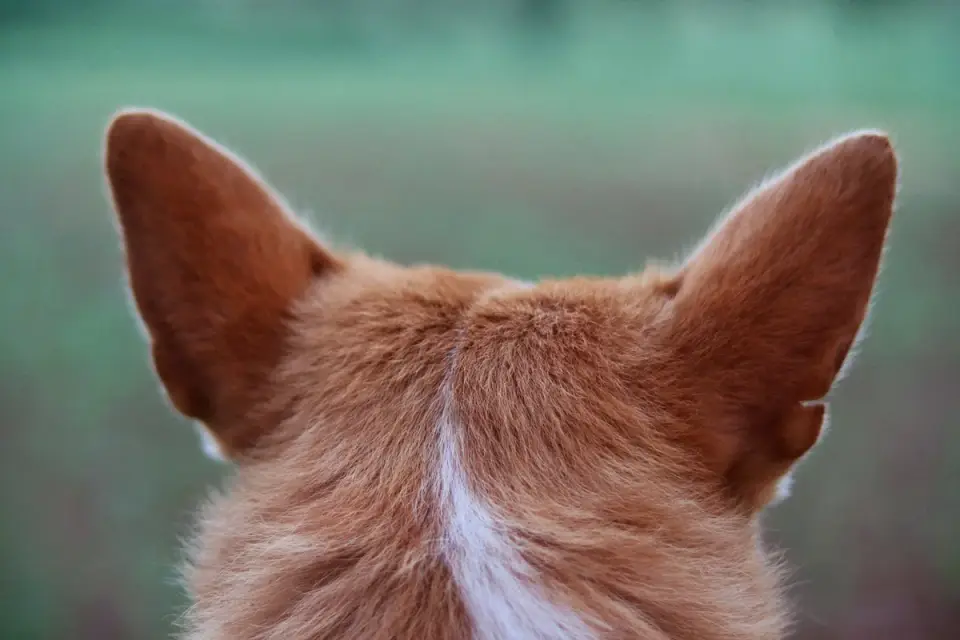
Why the ears deserve their own line item
Here’s where the two parent breeds stack risk instead of cancelling it out. Cavaliers have low-set, floppy ears. Poodles often grow hair inside the ear canal. Put those together and you get an ear canal that traps moisture and has reduced airflow — which is exactly the environment otitis externa needs to take hold, according to VCA Animal Hospitals. Floppy or hairy ears are a recognized risk factor for outer ear infection, and the mechanism is straightforward: less air circulation means a warmer, damper canal where bacteria and yeast thrive.
In my practice, the Cavapoos I see for recurrent ear trouble are almost always the ones whose owners only check ears at bath time. I ask owners to build a weekly habit instead — lift the flap, look for redness or a yeasty smell, wipe with a vet-approved cleanser if things look damp, and skip the cotton swabs down the canal. A Cavapoo named Biscuit, a nine-month-old wool-coat pup I worked with, came in twice in one summer with head-shaking and a sour ear odor after lake swims; once the owner started drying the ears fully after every swim and every bath, the pattern stopped. One case isn’t proof of anything broad, but it’s a pattern I’ve watched repeat across enough dogs with this ear shape that I now mention it at every Cavapoo puppy visit.
The heart is the conversation I don’t soften
This is where I ask owners to sit up. Cavalier King Charles Spaniels carry a well-documented, breed-specific risk for myxomatous mitral valve disease, and that risk rides straight into the Cavapoo cross. The American Cavalier King Charles Spaniel Club recommends annual heart auscultation by a veterinarian starting around one year of age, with a cardiologist referral and echocardiogram if a murmur turns up. That’s not a scare tactic — it’s a screening schedule built around a real prevalence pattern in the breed’s bloodline, and a Cavapoo inherits half that bloodline.
The counterargument I hear most: “But it’s a mixed breed, doesn’t that dilute the risk?” Sometimes, yes — crossbreeding can reduce the concentration of a single-breed’s inherited weak points, and that’s part of the appeal owners cite. But it doesn’t erase the risk, and I’ve listened to enough Cavapoo hearts with an early murmur at a routine annual exam to not treat the Poodle side as a free pass. My position: get the baseline auscultation at one year regardless of how healthy the dog looks, because a murmur caught early changes the monitoring plan, not the outcome of the visit itself. Structure and function first — this is a screening habit, not a diagnosis you’re pre-loading onto a healthy puppy.
What the joints and teeth need, in plain terms
Smaller crossbreeds like the Cavapoo can also carry patellar luxation risk from the Poodle side — a kneecap that slips out of its groove, sometimes visible as an intermittent skip or hop mid-stride rather than a limp. It’s worth a specific ask at annual exams, especially once the dog is past the puppy stage and into adult activity levels. Dental care matters just as much and gets skipped more: small-breed mouths crowd teeth, and daily brushing or a vet-approved dental chew routine started young does more for long-term mouth comfort than anything reactive done later.
If you’re weighing a Cavapoo against other small companion breeds, it’s worth reading how a Cavalier King Charles Spaniel compares directly against a Cocker Spaniel on health screening burden, or how Cavapoos stack up as a first-time-owner breed choice once you factor in the grooming commitment. For apartment dwellers specifically, the coat maintenance question intersects with what actually matters in small-space living — a Cavapoo’s exercise needs are modest, but the grooming time isn’t.
Where I land
A short one: I don’t think Cavapoo owners are signing up for a low-maintenance dog, no matter what the marketing implies.
They’re signing up for a dog whose coat needs real, scheduled attention and whose heart needs an annual listen starting at one year — and both of those are manageable when an owner knows to expect them going in. The families who do best with this breed are the ones who treat grooming as a weekly calendar item, not an emergency response to matting, and who keep the annual cardiac auscultation on the books even when the dog seems perfectly fine. That’s the whole approach, really: preventive, scheduled, and honest about what the coat and the pedigree are actually asking of you. What would change your answer — the grooming time, or the heart-screening commitment?
Frequently asked questions
How often should a Cavapoo be professionally groomed?
Most Cavapoos need professional grooming every 6–8 weeks, paired with 2–3 home brushing sessions a week; curlier wool coats need brushing closer to daily to avoid matting.
Do all Cavapoos have the same coat?
No. Depending on the genetic mix from the Poodle and Cavalier parents, a Cavapoo can have a wavy fleece coat, a dense wool coat, or a straighter, more shedding-prone hair coat — each with a different grooming schedule.
At what age should a Cavapoo start heart screening?
The American Cavalier King Charles Spaniel Club recommends annual auscultation starting around one year of age, given the breed's documented risk for mitral valve disease.
Sources
- Ear Infections in Dogs (Otitis Externa) — VCA Animal Hospitals
- Hearts — American Cavalier King Charles Spaniel Club