On this page
Most dogs start to slow down in middle age, but a shorter walk is a reason to check for pain first. That pause at the stairs, the slower rise after a nap, the walk that ends two blocks earlier — owners often read those as age. In practice, they more often reflect how joints, muscle, and nerves are handling load.
Jeremy noticed it in Midge, his 9-year-old spayed female Puggle in Lowell, Massachusetts. She still wanted her evening loop, but she sat down once at about three blocks and needed coaxing up the last two porch steps. Nothing dramatic. Just a smaller radius. Vets often see that pattern before owners use the word pain.
When slowing usually shows up
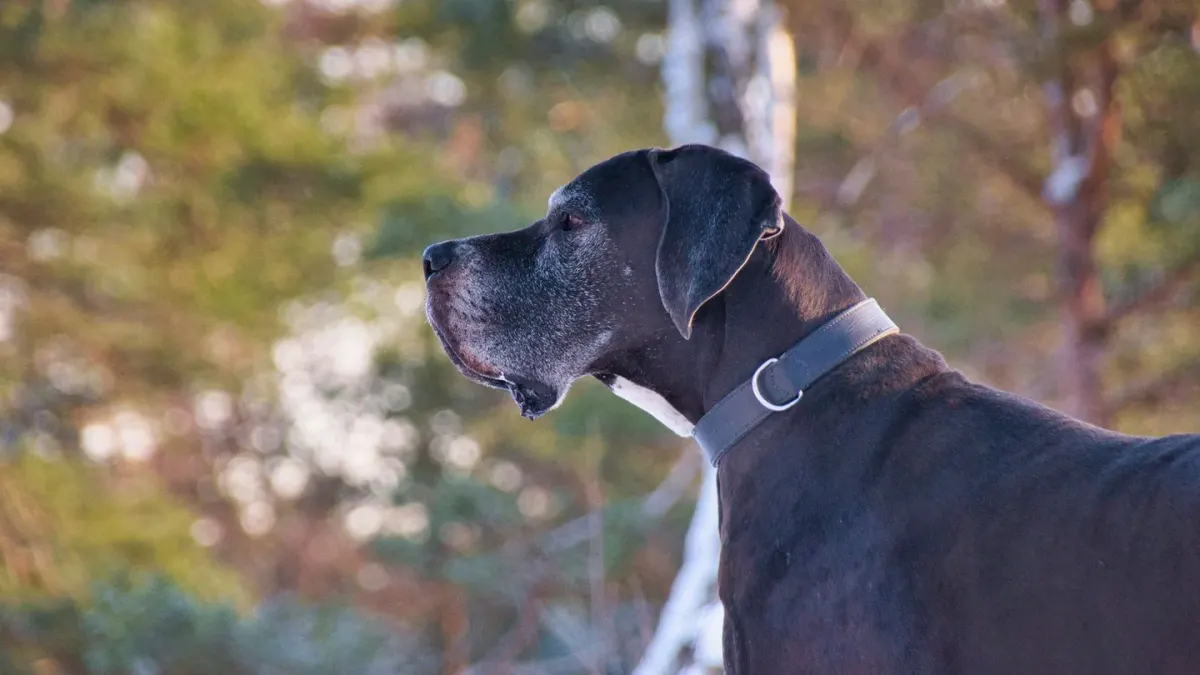
Large and giant breeds often change earliest, sometimes by 6 to 8 years. Many medium dogs shift around 8 to 10. Small dogs may hold pace past 10, then lose stamina in a shorter window. Breed averages matter less than the trend line for one dog.
Think in structure and function terms. Cartilage cushions the joint and allows smooth glide. Muscle absorbs shock and holds alignment through the hip, stifle, shoulder, and spine. Nerves report load and position. When cartilage thins, when thigh and core muscle thin with disuse, and when low-grade inflammation lingers, each step costs more effort. The dog budgets movement.
That budget looks like lagging behind, choosing carpet over hardwood, resting more after play, or skipping jumps that were once routine. One quiet week does not equal disease. A steady two- to four-week drift deserves attention.
Why pain hides inside normal aging
Dogs rarely cry out with chronic joint pain. They compensate. They shift weight forward off sore hips, shorten the stride behind, bunny-hop on hills, or lie down to avoid standing still. Owners see a calm older dog. The body is doing extra work.
The American Animal Hospital Association describes this problem clearly in its pain guidance: behavioral change is often the first sign of persistent pain, and regular pain assessment belongs in routine senior care. That framing matters. If we wait for limping or vocalizing, we miss months when support could help maintain comfort and movement.
Osteoarthritis is the most common driver, and VCA Animal Hospitals notes that stiffness after rest, reluctance on stairs, and reduced play are classic early signs in dogs. The joint may need support to maintain normal flexibility. The muscles around it need load to maintain strength. Rest alone rarely restores either.
What to track before the vet visit
Write down function, not just feelings. Note distance walked before stopping, number of rest breaks, time needed to rise in the morning, stairs attempted versus refused, surfaces avoided, appetite, sleep position, and any night restlessness. Video a rise, a short walk away and back, and one turn in each direction. A 30-second clip tells a clinician more than “she is slower.”
Also list recent changes: weight gain of even 5 to 10 percent, new flooring, fewer outings, nail length, collar versus harness, and any supplements or medications with dates started. Small loads add up across an arthritic joint.
For help separating gray-area signs, compare notes with How to Tell if a Senior Dog Is in Pain or Just Slowing Down With Age and Glucosamine for a Dog Struggling With Stairs at Night: What Actually Helps. Weather-sensitive stiffness is common enough that How Barometric Pressure Drops Affect a Dog’s Joint Pain: What the Evidence Shows is worth a read if bad days cluster around storms.
How I sort age from a treatable problem
I start with gait and posture, then hips, stifles, shoulders, elbows, and spine through gentle range of motion and palpation. I watch where muscle has thinned — often the thighs and the muscles along the spine — because that tells me which joints the dog has been unloading. Strength may help support maintaining joint stability, while controlled movement may help support maintaining circulation and joint range of motion.
Bloodwork and weight review come early for seniors, because endocrine disease, anemia, cardiac limits, and extra body fat can all shrink stamina. Radiographs help when an exam points to a specific joint, but a clean film does not rule out pain. Early joint disease hurts before bone changes show.
My position is direct: assume slowing is pain plus deconditioning until proven otherwise. Glucosamine and chondroitin are among the most studied joint support ingredients for dogs, and they may help support maintaining cartilage and joint comfort as part of a broader plan — not as a fix on their own. What would change my mind is a full exam, gait analysis, and workup that finds normal joint function, normal neurologic function, and normal systemic health. That happens. It is just less common than owners expect.
Trade-offs are honest here. More walk can maintain muscle, but too much hill or fetch can flare a sore joint for two days. A joint chew is simple, but it cannot replace weight control, traction, nail care, and progressive strength work. Daily short walks on level ground usually beat one long weekend outing.
Ask your veterinarian for a mobility baseline: body condition score, muscle condition score, pain score, and a written exercise dose. Then recheck in four to six weeks. If distance grows, rises quicken, or night restlessness eases, the plan is doing its job.
Do not accept a smaller life as inevitable. Measure the change, check the structure behind it, and support the function you want to keep.
Frequently asked questions
At what age do dogs usually start to slow down?
It varies by size. Large breeds often slow by 6 to 8 years, medium dogs around 8 to 10, and small dogs later. Track your own dog's walking distance, stairs, and rise time over two to four weeks rather than relying on age alone.
How can I tell slowing from joint pain?
Look for stiffness after rest, shorter walks, weight shifting, avoiding slick floors or jumps, and night restlessness. Pain often shows as behavior change first. A vet exam with gait assessment and pain scoring can separate normal aging from a treatable problem.
Should I just rest a slower older dog?
Brief rest helps after a flare, but prolonged rest thins muscle that supports joints. Most seniors do better with short, frequent, level walks plus traction, weight control, and a vet-guided strength plan.
Sources
- 2022 AAHA Pain Management Guidelines for Dogs and Cats — American Animal Hospital Association
- Arthritis in Dogs — VCA Animal Hospitals