
On this page
- The checklist before you commit
- Why size is the wrong first filter here
- What the exercise requirement actually looks like day to day
- The two orthopedic issues worth screening for
- Primary lens luxation: the eye issue that’s specific to this breed
- The temperament trade-off nobody puts on the checklist
- The short version
The checklist before you commit
- Daily output, not a walk: plan for real physical exertion plus a mental task most days — a leash walk alone rarely burns off a Jack Russell’s drive.
- Fencing that assumes escape attempts: this breed digs, jumps, and squeezes through gaps other terriers wouldn’t try.
- A genetic eye exam or DNA test for primary lens luxation before breeding decisions, and awareness of it as an owner even if you never breed.
- A plan for patellar luxation and Legg-Calvé-Perthes, the two orthopedic issues that show up most often in young Jack Russells.
- Realistic expectations about other dogs — early, structured socialization matters more here than in most breeds.
I’ll walk through each of these below, because the checklist only works if you understand why each line is there.
A dog I still think about
A client came in with a ten-month-old Jack Russell named Biscuit, twelve pounds, who’d started “skipping” on his back right leg — three or four strides normal, then a hop, then back to normal, usually right after he jumped off the couch. The owner had noticed it about two weeks earlier and assumed he’d just tweaked something at the dog park. No pain response on exam, no swelling, but the patella popped medially with gentle pressure and reduced on its own. That’s a textbook grade II luxating patella, and in a breed this size and this age, it’s common enough that I check for it in nearly every young terrier exam whether or not the owner has mentioned a limp. What made this case memorable wasn’t the diagnosis — it was how much the owner’s daily routine had already adjusted around Biscuit’s energy before she ever brought up the leg. She’d been managing a 90-pound-dog’s worth of exercise demands in a 12-pound body for months.
Why size is the wrong first filter here
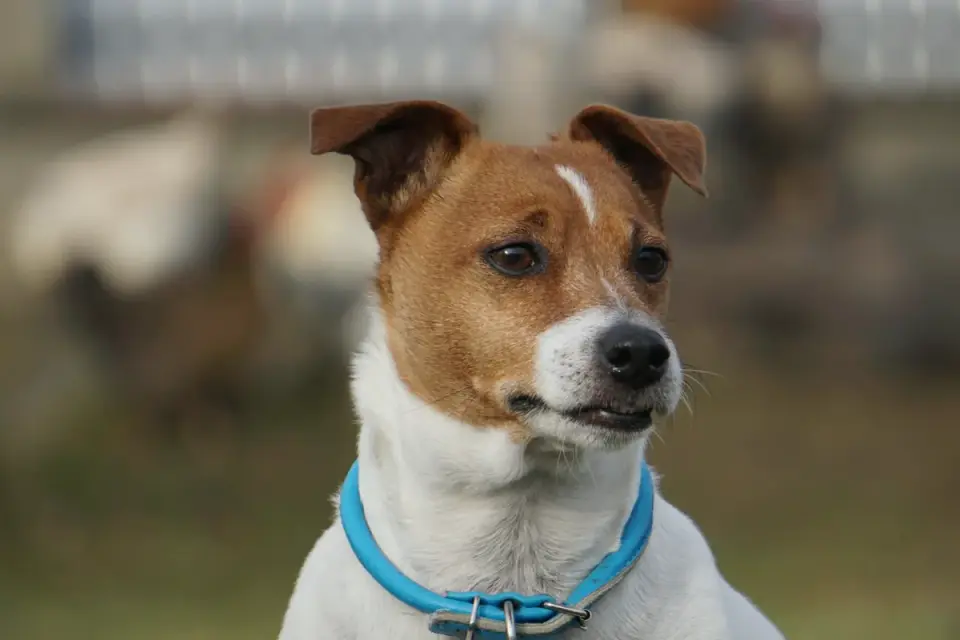
People pick Jack Russells because they’re small, and then discover the coat and the working-terrier temperament were bred in independently of the size. The AKC describes Russell Terriers as bold, watchful, and mischievous — bred to hunt vermin and fox, which means a genuinely high prey drive and a dog who is happiest with a task. That combination — small body, terrier brain — is exactly what trips people up. Owners plan for a small dog’s exercise budget and end up with a dog that needs closer to what you’d budget for a working-line herding breed.
This is also where breed size research from apartment-living guidance gets misapplied. If you’re weighing a Jack Russell against other options for a smaller home, it’s worth reading what actually matters for apartment living — because square footage isn’t the constraint here; unmet mental and physical demand is.
What the exercise requirement actually looks like day to day
This isn’t a “walk twice a day” breed. Most Jack Russells do better with one longer session of real exertion — running, structured fetch, a flirt pole, scent work — plus a second shorter session, and ideally some form of problem-solving each day: a snuffle mat, basic obedience drilling, a food puzzle. The dogs I see doing worst behaviorally are almost always under-stimulated, not poorly trained. Owners who treat the breed like a first-time-owner-friendly lapdog often end up with digging, escape attempts, and reactivity that reads as “stubbornness” but is really surplus energy with nowhere to go. If you’re comparing this against breeds marketed as easier for a first dog, the honest comparison point is what actually predicts success with a new owner, and a Jack Russell rarely tops that list for a beginner.
A short one: this breed was never bred to be idle.
The two orthopedic issues worth screening for
Patellar luxation is the one I mentioned above with Biscuit, and it’s genuinely common in small terriers — the kneecap slips out of its groove, sometimes intermittently, sometimes constantly. Low-grade cases are often managed with weight control, controlled exercise, and sometimes anti-inflammatories; higher grades usually need surgical correction. The second is Legg-Calvé-Perthes disease, a disruption of blood supply to the head of the femur that shows up in terrier puppies typically between six and twelve months old and causes progressive lameness as the bone degenerates. Neither condition is preventable through anything an owner does day to day, but catching them early — before a dog has spent months compensating — changes the outcome. Ask your vet to specifically evaluate gait and stifle stability at puppy visits rather than waiting for an obvious limp.
Primary lens luxation: the eye issue that’s specific to this breed
Primary lens luxation (PLL) is a hereditary condition where the lens of the eye detaches from its normal support structures, and it’s disproportionately common in terrier breeds including Jack Russells. The UC Davis Veterinary Genetics Laboratory offers a DNA test for the ADAMTS17 gene variant associated with PLL, and dogs carrying two copies of the mutation are at meaningfully higher risk of developing the condition, usually in middle age. This isn’t something you manage with diet or exercise — it’s something you screen for, ideally before breeding, and something you stay alert to if your dog starts squinting, tearing, or showing sudden eye redness or pain, since acute lens luxation is an emergency.
The temperament trade-off nobody puts on the checklist
Jack Russells can be scrappy with unfamiliar dogs, and that’s not a training failure so much as a documented breed tendency worth planning around from puppyhood. The VCA Animal Hospitals breed profile notes the combination of high intelligence, strong prey drive, and independence that makes this breed rewarding for the right owner and genuinely difficult for the wrong one. Early, consistent socialization — controlled exposure to other dogs, novel environments, and handling — matters more here than in more biddable breeds, because you’re working somewhat against the grain of what the dog was selected for. Owners comparing coat and shedding concerns against a Jack Russell’s temperament demands sometimes look at the hypoallergenic breed guidance for other small dogs, but coat type tells you nothing about how much daily management this particular temperament requires.
Where I land with owners weighing this breed
I had a family in last spring debating between a Jack Russell and a low-key senior rescue, and I told them plainly: if your household can’t produce close to two hours of combined physical and mental engagement most days, this isn’t a compromise breed — it’s the wrong breed, not because Jack Russells are difficult dogs in some abstract sense, but because an under-exercised one becomes genuinely hard to live with. The families who do well with this breed tend to already run active households — trail runners, agility hobbyists, people who want a dog alongside them, not behind them. The families who struggle usually loved the size and underestimated everything else. That’s the honest trade-off, and it’s the one I wish more people heard before they brought a puppy home rather than after.
The short version
A Jack Russell Terrier’s care needs are driven far more by temperament and orthopedic/genetic risk than by size. Budget real daily exertion and mental work, screen for patellar luxation, Legg-Calvé-Perthes, and primary lens luxation, and go into socialization deliberately rather than assuming it’ll sort itself out. Owners who plan around the dog’s working-terrier brain, not its lapdog body, tend to be the ones still glad they made this choice five years in.
Sources
- Russell Terrier Dog Breed Information — AKC
- Jack Russell Terrier — VCA Animal Hospitals
- Primary Lens Luxation (PLL) — UC Davis Veterinary Genetics Laboratory